
Especialidades quirúrgicas

Acerca de
.png)
Condiciones
Especialidades quirúrgicas
.png)
.jpg)

Sciatic pain has a way of quietly entering your life and then taking over everything. What begins as a dull ache in the lower back can quickly evolve into a sharp, radiating pain that travels down the leg, disrupting sleep, work, and even the simplest daily movements. For many, it feels like losing control over their own body, one step at a time.
Living with sciatica is not just physical; it is emotional. The uncertainty of when the pain will strike, the frustration of limited mobility, and the fear that it may never fully go away can weigh heavily. Many patients arrive at a breaking point, unsure where to turn or which path will actually bring relief.
This is where understanding the full spectrum of sciatica treatments becomes essential. From conservative care to cutting-edge solutions, there are more options today than ever before. The key is not just finding relief, but finding the right treatment tailored to your condition and lifestyle.
Under the guidance of experts like Dr Mangino, patients are discovering that recovery is not only possible but sustainable. With the right strategy, sciatica can shift from a daily burden to a manageable condition, and in many cases, something you can overcome entirely.
Understanding Sciatica and Its Root Causes
Sciatica is not a condition itself but a symptom of an underlying issue affecting the sciatic nerve, the longest nerve in the body. It typically originates in the lower spine and radiates through the hips, buttocks, and down each leg.
Common Causes of Sciatic Pain
The most frequent cause of sciatica is a herniated or bulging disc that compresses the nerve. Degenerative disc disease, spinal stenosis, and spondylolisthesis are also common contributors. In some cases, muscle-related issues such as piriformis syndrome can irritate the nerve.
Symptoms That Signal Sciatica
Patients often describe a burning or shooting pain that travels down one side of the body. Tingling, numbness, and muscle weakness may accompany the pain. Symptoms can range from mild discomfort to severe, debilitating pain that interferes with everyday life.
Understanding the cause is the foundation of effective sciatica treatments, as different underlying conditions require different approaches.
Conservative Sciatica Treatments: First-Line Approaches
For most patients, treatment begins with conservative methods. These non-invasive strategies aim to reduce inflammation, relieve pressure on the nerve, and restore mobility.
Physical Therapy and Movement-Based Care
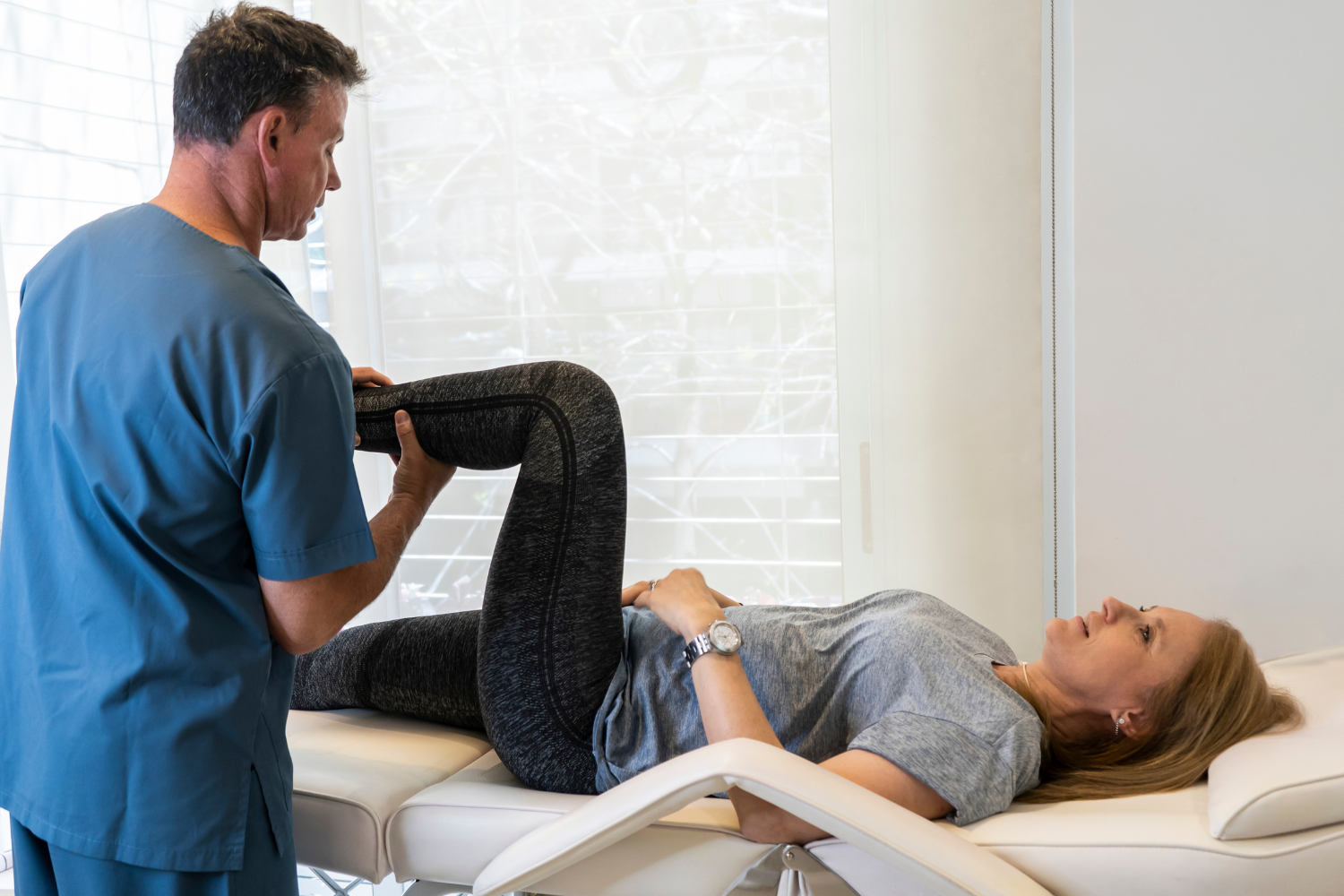
Physical therapy is one of the most effective early interventions. Guided exercises help strengthen the core, improve flexibility, and correct posture. Movement is essential, as prolonged inactivity can worsen symptoms.
A structured program designed by a specialist can significantly reduce pain and prevent recurrence. Many patients find that consistent therapy becomes a long-term solution rather than a temporary fix.
Pain Management and Medications
Over-the-counter anti-inflammatory drugs are often recommended to reduce swelling and discomfort. In more severe cases, prescription medications such as muscle relaxants or nerve pain modulators may be used.
While medications can provide relief, they are typically part of a broader treatment plan rather than a standalone solution.
Lifestyle Modifications
Simple changes can have a profound impact. Maintaining a healthy weight reduces pressure on the spine, while proper ergonomics at work and home can prevent further irritation. Regular low-impact activities such as walking or swimming support recovery.
These conservative sciatica treatments are often enough to resolve symptoms within weeks, especially when started early.
Minimally Invasive Sciatica Treatments
When conservative care does not provide sufficient relief, minimally invasive options offer a next step. These treatments target inflammation and nerve compression more directly.
Epidural Steroid Injections
Epidural injections deliver anti-inflammatory medication directly to the affected area. This can significantly reduce pain and swelling, allowing patients to participate more effectively in physical therapy.
The effects are often temporary but can provide a crucial window for healing.
Nerve Blocks and Targeted Therapies
Nerve blocks can interrupt pain signals and provide immediate relief. Advanced imaging techniques ensure precise placement, improving effectiveness and minimizing risks.
These treatments are particularly beneficial for patients with persistent or severe symptoms.
Chiropractic and Manual Therapies
Spinal adjustments and manual therapies can help realign the spine and relieve nerve pressure. When performed by trained professionals, these approaches can complement other treatments and enhance recovery.
Minimally invasive sciatica treatments bridge the gap between basic care and surgical intervention, offering relief without the need for major procedures.
Advanced Sciatica Treatments and Surgical Options
In cases where pain persists despite other treatments, advanced solutions may be necessary. These approaches focus on correcting the underlying structural problem.
Microdiscectomy
A microdiscectomy is a minimally invasive surgical procedure that removes the portion of a herniated disc pressing on the nerve. It is one of the most common and effective surgeries for sciatica.
Recovery is typically faster than traditional surgery, and many patients experience immediate pain relief.
Laminectomy
This procedure involves removing part of the vertebra to create more space for the spinal cord and nerves. It is often used to treat spinal stenosis.
While more extensive than a microdiscectomy, it can provide lasting relief for patients with severe compression.
Emerging Technologies
Innovations in spine care continue to expand the range of sciatica treatments. Techniques such as laser spine surgery and regenerative therapies are gaining attention for their potential to reduce recovery time and improve outcomes.
Advanced care should always be considered carefully, weighing the benefits and risks with a qualified specialist like Dr Mangino.
Holistic and Complementary Approaches
Beyond traditional medicine, many patients explore holistic treatments to support recovery and overall well-being.
Acupuncture and Alternative Therapies
Acupuncture has shown promise in reducing pain and improving function for some individuals. By stimulating specific points in the body, it may help regulate pain signals and promote healing.
Mind-Body Techniques
Chronic pain often has a psychological component. Techniques such as mindfulness, meditation, and cognitive behavioral therapy can help patients manage pain more effectively.
Nutrition and Anti-Inflammatory Diets
Diet plays a role in inflammation. Consuming foods rich in antioxidants and omega-3 fatty acids can support the body’s natural healing processes.
These complementary sciatica treatments work best when integrated into a comprehensive care plan.
Choosing the Right Sciatica Treatment Plan
No two cases of sciatica are exactly alike. The most effective treatment plan depends on the severity of symptoms, the underlying cause, and the patient’s overall health.
Personalized Care Matters
A one-size-fits-all approach rarely works. A tailored plan that evolves over time offers the best chance for long-term success.
When to Seek Specialist Care
If pain persists for more than a few weeks, worsens over time, or is accompanied by significant weakness or loss of function, it is essential to seek professional evaluation.
Specialists like Dr Mangino provide a comprehensive assessment and guide patients through the full spectrum of sciatica treatments, ensuring the most appropriate path is chosen.
Preventing Sciatica Recurrence
Treatment does not end when the pain subsides. Preventing recurrence is a critical part of long-term management.
Strength and Flexibility
Maintaining a strong core and flexible muscles reduces the risk of future episodes. Regular exercise should become a permanent part of your routine.
Posture and Daily Habits
Good posture and proper lifting techniques protect the spine. Small adjustments in daily habits can prevent significant problems later.
Ongoing Care and Monitoring
Periodic check-ins with a healthcare provider help ensure that progress is maintained and any early signs of recurrence are addressed promptly.
Effective prevention is an extension of successful sciatica treatments.
FAQ: Sciatica Treatments
What is the fastest way to relieve sciatic pain?
The fastest relief often comes from a combination of rest, anti-inflammatory medications, and targeted physical therapy. In more severe cases, injections may provide quicker results.
Can sciatica go away without treatment?
Yes, mild cases of sciatica can resolve on their own within a few weeks. However, proper treatment can speed recovery and reduce the risk of recurrence.
When should I consider surgery for sciatica?
Surgery is typically considered when conservative and minimally invasive treatments fail, or when there is significant nerve damage, weakness, or loss of function.
¿Existen curas permanentes para la ciática?
Muchos pacientes logran un alivio a largo plazo o permanente, especialmente cuando la causa subyacente se trata eficazmente. La gestión continua del estilo de vida juega un papel clave en el mantenimiento de los resultados.
El verdadero alivio comienza con la decisión correcta
Vivir con dolor ciático puede ser abrumador, pero no tiene por qué definir tu vida. Con la amplia gama de tratamientos para la ciática disponibles hoy en día, hay un camino a seguir para cada paciente, sin importar cuán compleja pueda parecer su condición.
El camino hacia la recuperación comienza con la orientación adecuada. Dr Mangino entiende que la experiencia de cada paciente es única y ofrece atención personalizada diseñada para abordar tanto los síntomas como su causa raíz. No se trata solo de un alivio temporal; se trata de recuperar tu movilidad, confianza y calidad de vida.
No tienes que pasar por esto solo. Ya sea que estés empezando a explorar opciones de tratamiento o hayas estado luchando durante años, ahora es el momento de actuar. Con el apoyo de expertos y un enfoque integral, el alivio duradero está a tu alcance.
Agenda tu consulta con el Dr. Mangino hoy y da el primer paso hacia un futuro sin dolor.
Meta título: Tratamientos para la ciática: Guía completa desde el cuidado conservador hasta soluciones avanzadas
Meta descripción: Descubre tratamientos eficaces para la ciática, desde fisioterapia hasta opciones quirúrgicas avanzadas. Aprende cómo aliviar el dolor ciático y recuperar la movilidad hoy mismo.


