

.png)
.png)
.jpg)

Living with chronic joint pain can quietly change every part of life. Simple activities like walking, sleeping, traveling, or enjoying time with family may become exhausting or painful. Many patients reach a point where they ask themselves an important question: am I ready for joint replacement?
For patients exploring orthopedic care with Dr. Gerardo Mangino, this question often comes after months or years of trying to manage pain without surgery. As a board-certified orthopedic surgeon specializing in hip and knee replacement in Los Cabos, Dr. Mangino helps patients understand not only when joint replacement is appropriate, but how it can restore mobility, independence, and confidence.
Joint replacement is not about giving up. It is about choosing a better quality of life. Understanding the signs, the evaluation process, and the preparation involved can help you make a confident and informed decision.
Understanding Joint Replacement and When It Becomes Necessary
Joint replacement surgery involves removing damaged portions of a joint and replacing them with advanced prosthetic components designed to restore smooth, pain-free movement. It is most commonly performed on the hip and knee, though other joints may also be treated.
Many patients delay surgery because they believe pain is something they must simply endure. However, joint replacement becomes a valuable option when joint damage interferes with daily life and no longer responds to conservative care. Asking am I ready for joint replacement is not a sign of weakness, but a sign of awareness that your body needs help.
Key Signs You May Be Ready for Joint Replacement
The decision to move forward with joint replacement is based on how symptoms affect your function, comfort, and emotional well-being. Several key indicators consistently suggest that surgery may be the right next step.
Persistent Pain and Joint Stiffness
One of the strongest signs that you may be ready for joint replacement is ongoing pain that does not improve with rest or treatment. This pain may be present during movement, at night, or even while sitting. Stiffness often accompanies pain, making it difficult to fully bend or straighten the joint.
Morning stiffness or discomfort after periods of inactivity can gradually turn into constant limitation. Over time, patients may begin limping or avoiding movement altogether, which can weaken surrounding muscles and worsen joint instability.
Difficulty Performing Daily Activities
When joint pain interferes with everyday tasks, it becomes more than a physical inconvenience. Walking short distances, climbing stairs, standing for long periods, or getting in and out of a car may feel overwhelming. Activities that once felt automatic may now require planning, assistance, or recovery time.
Loss of independence is often a turning point. When joint problems prevent you from dressing, cooking, working, or traveling comfortably, joint replacement may offer a path back to normal function.
Decreased Quality of Life
Chronic joint pain affects more than the body. Interrupted sleep, irritability, anxiety, and frustration are common among patients with advanced joint disease. Many people stop participating in social activities, hobbies, or exercise because they fear pain or embarrassment.
When pain begins to define your daily routine and limit joy, it is reasonable to consider whether surgery could improve your overall well-being. For many patients, joint replacement is not just about reducing pain, but about regaining confidence and freedom.
Nonsurgical Treatments No Longer Provide Relief
Before surgery is considered, most patients try nonsurgical options such as physical therapy, medications, injections, activity modification, or assistive devices. These treatments can be effective in earlier stages of joint disease.
However, when these methods no longer provide meaningful or lasting relief, it often indicates that joint damage has progressed. Repeated injections or medications that no longer work are a strong signal that it may be time to ask if you are ready for joint replacement.
How Doctors Determine Readiness for Joint Replacement
Determining whether joint replacement is appropriate requires a careful and individualized evaluation. This process ensures that surgery is truly beneficial and that patients are prepared for a successful outcome.
Review of Medical History
A comprehensive medical history is the foundation of joint replacement evaluation. Your orthopedic surgeon will review previous injuries, surgeries, chronic conditions, and current medications. Conditions such as diabetes, heart disease, or osteoporosis may influence surgical planning and recovery.
Equally important is understanding how pain affects your daily life. Patients are encouraged to describe their limitations honestly, including sleep disruption, mobility challenges, and emotional impact. This information helps determine whether surgery aligns with your goals.
Physical Examination and Imaging
During the physical exam, the surgeon evaluates joint movement, strength, stability, alignment, and areas of tenderness. Reduced range of motion, muscle weakness, or joint deformity can indicate advanced damage.
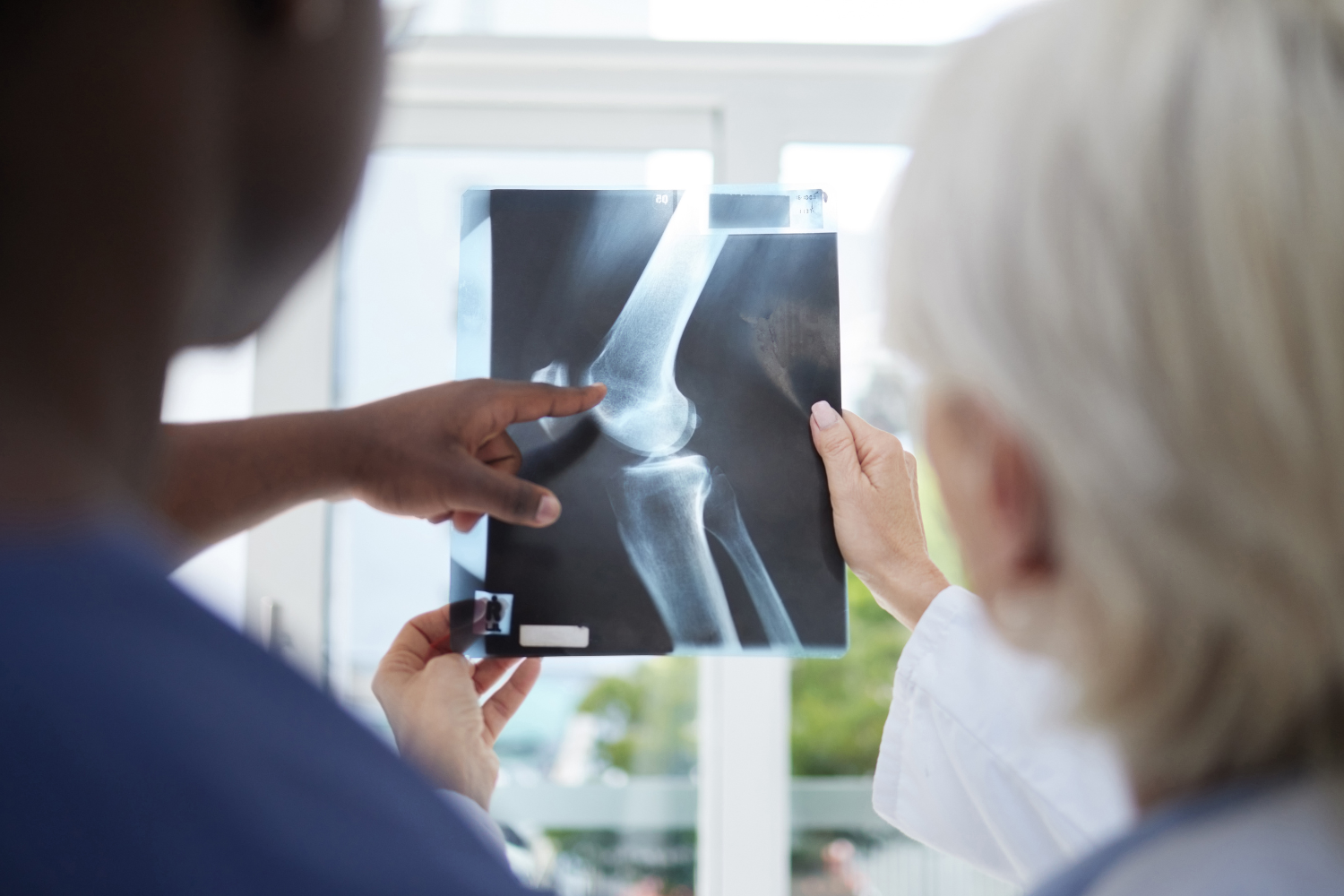
Imaging studies play a crucial role in confirming the diagnosis. X-rays reveal joint space loss, bone spurs, and alignment issues. In certain cases, MRI scans provide additional detail about cartilage, ligaments, and soft tissues. Together, these findings help determine whether joint replacement is the most effective solution.
The Role of an Experienced Orthopedic Surgeon
Choosing the right surgeon is essential. An experienced specialist like Dr. Gerardo Mangino evaluates not only the joint itself, but the patient as a whole. This includes physical readiness, mental preparedness, lifestyle goals, and expectations for recovery.
A skilled orthopedic surgeon explains both the benefits and limitations of surgery, ensuring patients feel informed and confident. Clear communication and personalized care are central to achieving successful outcomes.
Preparing for Joint Replacement Surgery
Once the decision is made, proper preparation plays a major role in recovery and long-term success. Preparing both physically and mentally helps reduce complications and improve results.
Understanding Surgical Options and Techniques
Joint replacement techniques continue to advance. Modern implants are designed for durability, stability, and natural movement. Depending on the joint and patient anatomy, different implant materials and surgical approaches may be used.
Some patients may be candidates for minimally invasive techniques, which can reduce tissue disruption and speed early recovery. Discussing options with your surgeon helps align surgical choices with your lifestyle and long-term needs.
Optimizing Health Before Surgery
Improving overall health before joint replacement can significantly impact healing. Smoking cessation, weight management, and balanced nutrition all contribute to better outcomes. Strengthening muscles around the joint before surgery can also make rehabilitation easier.
Patients are encouraged to remain active within comfort limits and follow any prescribed prehabilitation programs. These efforts support faster recovery and better long-term function.
Recovery and Life After Joint Replacement
Recovery after joint replacement is a gradual process, but most patients experience meaningful improvement within weeks. Physical therapy plays a central role in restoring strength, flexibility, and confidence in movement.
Many patients report dramatic pain reduction and improved mobility within the first few months. Activities that were once avoided often become enjoyable again. With proper care and follow-up, joint replacements can last many years and support an active lifestyle.
Why Patients Choose Dr. Gerardo Mangino for Joint Replacement
Patients seeking joint replacement in Mexico often look for expertise, trust, and personalized care. Dr. Gerardo Mangino offers internationally trained orthopedic expertise combined with compassionate, bilingual patient support in Los Cabos.
His practice emphasizes clear communication, shorter wait times, and individualized treatment plans. For international patients, this approach provides both medical excellence and peace of mind throughout the surgical journey.
Frequently Asked Questions About Joint Replacement
Can imaging tests alone determine if I am ready for joint replacement?
Imaging such as X-rays helps confirm joint damage, but the decision for surgery is based on symptoms, function, and quality of life. Pain severity and daily limitations are just as important as imaging results.
What symptoms most strongly suggest I may need joint replacement?
Persistent pain, difficulty walking or sleeping, loss of mobility, and failure of nonsurgical treatments are the most common indicators. When pain limits independence, surgery is often considered.
Can joint replacement be delayed if pain is tolerable?
Some patients choose to delay surgery if pain is manageable and function remains acceptable. However, waiting too long may lead to muscle weakness, joint deformity, or reduced recovery potential.
How long does joint replacement recovery typically take?
Initial recovery often takes several weeks, with continued improvement over several months. Most patients resume daily activities within six to twelve weeks, depending on the joint and individual health.
Making the Decision With Confidence
Asking am I ready for joint replacement is a deeply personal moment. It reflects a desire to move beyond pain and reclaim a fulfilling, active life. With the right guidance, this decision becomes less intimidating and more empowering.
For patients working with Dr. Gerardo Mangino, the focus is always on honest evaluation, personalized care, and long-term success. Joint replacement is not about replacing a joint alone. It is about restoring movement, confidence, and the freedom to live life fully again.


