

.png)
.png)
.jpg)

Living with chronic hip pain can affect every part of your day, from walking and sleeping to simply enjoying time with loved ones. Choosing the right treatment can be overwhelming, especially when deciding between hip replacement surgery and physical therapy.
Dr. Gerardo Mangino, an internationally trained orthopedic surgeon practicing in Cabo San Lucas, helps patients from the U.S. and Canada regain mobility and confidence through advanced, affordable orthopedic care. His insight can guide you in understanding which approach may bring lasting comfort and freedom of movement.
Understanding the Source of Hip Pain
The hip is a powerful joint that supports your body’s weight and enables smooth, fluid movement. Pain in this area can stem from osteoarthritis, rheumatoid arthritis, injuries, or loss of blood supply to the bone (avascular necrosis).
For mild cases, targeted physical therapy can strengthen muscles, ease stiffness, and delay degeneration. When degeneration advances and bones rub together, surgical treatment such as total hip replacement offers more lasting relief.
How Physical Therapy Helps Relieve Hip Pain
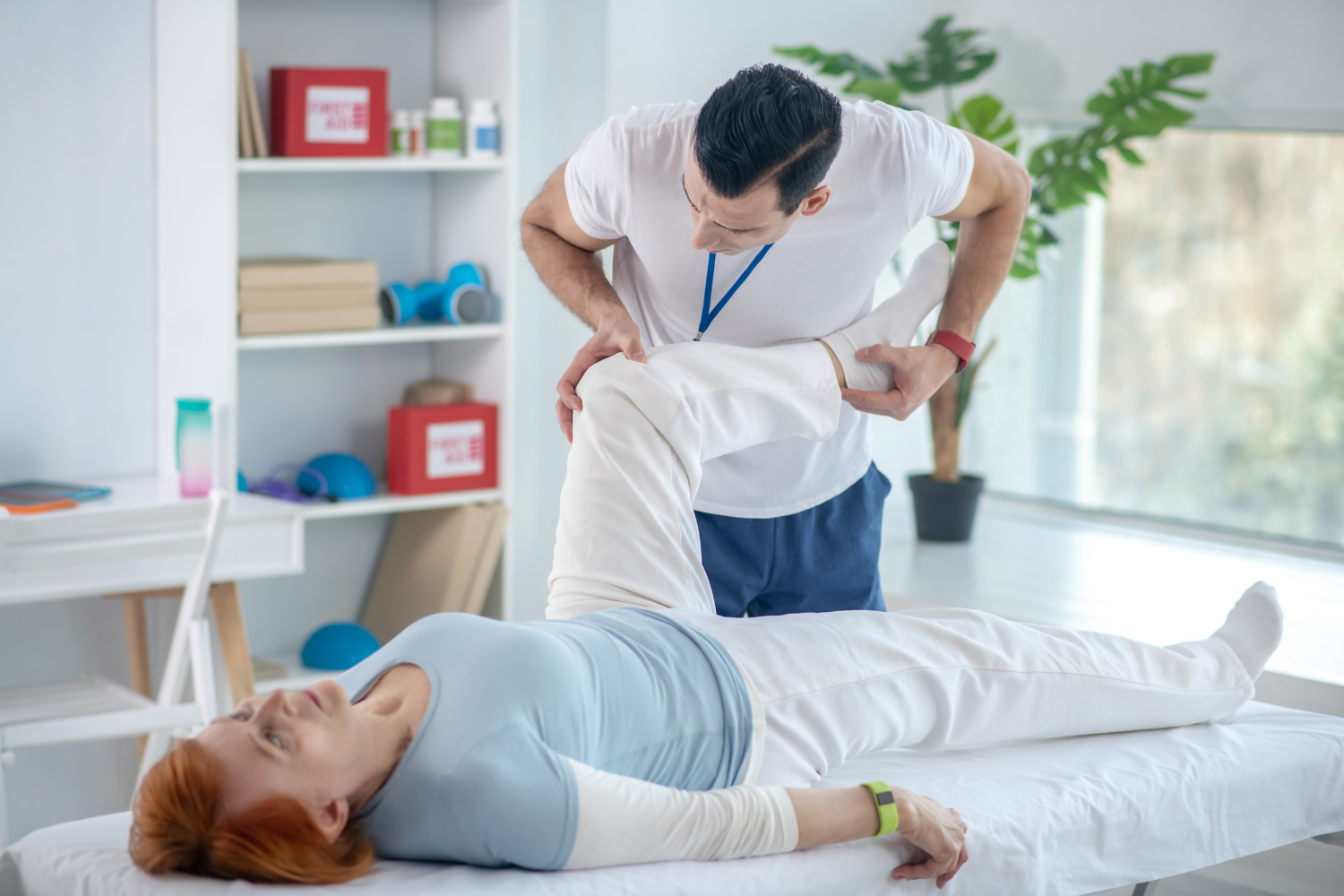
Physical therapy works by restoring strength, flexibility, and balance around the hip joint. Sessions may include guided stretching, low-impact exercises, and manual techniques to improve the range of motion.
This approach is often recommended when the joint still has healthy cartilage, pain occurs mostly during activity rather than at rest, and/or you can complete most daily movements without severe discomfort.
In these cases, consistent therapy can slow the progression of damage and maintain independence. Dr. Mangino frequently suggests physical therapy as the first step for patients whose imaging shows minimal deterioration.
When Hip Replacement Is the Better Solution
When pain interrupts sleep, limits walking, or fails to improve after months of conservative treatment, hip replacement surgery can restore function and eliminate chronic discomfort.
During this procedure, Dr. Mangino replaces the worn-out portions of the hip joint with durable, biocompatible implants. These components replicate the natural motion of the hip while reducing friction and inflammation.
Modern surgical techniques, including minimally invasive approaches, allow patients to recover faster, regain stability, and return to normal activities within weeks instead of months.
You might be interested in “What to Expect After Hip Surgery: Recovery Timeline and Common Outcomes”.
Why Patients Choose Hip Replacement in Mexico
Patients from the United States and Canada increasingly travel to Hospital H+ in Cabo San Lucas, where Dr. Mangino performs advanced orthopedic procedures in a state-of-the-art environment. They chose this option because:
- Affordability: Procedures cost significantly less than in the U.S., often saving patients thousands without compromising safety.
- Quality: Hospital H+ meets the same rigorous standards as top hospitals abroad.
- Communication: Dr. Mangino and his bilingual team make every stage of care easy to understand.
- Comfort: Patients recover in modern facilities with ocean-view rooms and compassionate nursing support.
This unique blend of expertise, accessibility, and hospitality makes medical travel for hip surgery a comfortable, stress-free experience.
Life After Hip Replacement: What to Expect
Recovery from hip replacement is smoother than most patients anticipate. Within a few days, gentle walking begins with assistance; in a few weeks, many return to daily tasks with minimal support.
Physical therapy remains an important part of recovery. Dr. Mangino’s postoperative protocols emphasize gradual movement, strengthening, and balance training. His use of ultrasound-guided nerve blocks and safe anesthesia techniques ensures patients experience manageable pain levels and a faster return to activity.
You can also read “Pain Management After Hip Surgery: Essential Strategies for Effective Recovery”.
Regain Your Freedom of Movement
You don’t have to live with chronic hip pain. Whether you need continued therapy or are ready for a hip replacement, Dr. Gerardo Mangino and his experienced team in Cabo San Lucas can design a treatment plan that restores comfort and confidence.
Reach out to Dr. Gerardo Mangino and his caring team in San José del Cabo to learn how advanced orthopedic care can help you move freely again.
Frequently Asked Questions
Is surgery always necessary for hip arthritis?
No. Many patients experience improvement through medication, exercise, and physical therapy. Surgery is considered only when these measures no longer provide relief.
How long does a hip replacement last?
Most modern implants last 15–20 years or longer, allowing long-term comfort and mobility.
Is hip replacement in Mexico safe?
Yes. Dr. Mangino operates in a fully accredited hospital, following the same protocols used in leading international facilities.
Can I do physical therapy before and after surgery?
Absolutely. Pre-surgery therapy prepares muscles for a smoother recovery, and postoperative therapy speeds up your return to normal movement.


