

.png)
.png)
.jpg)

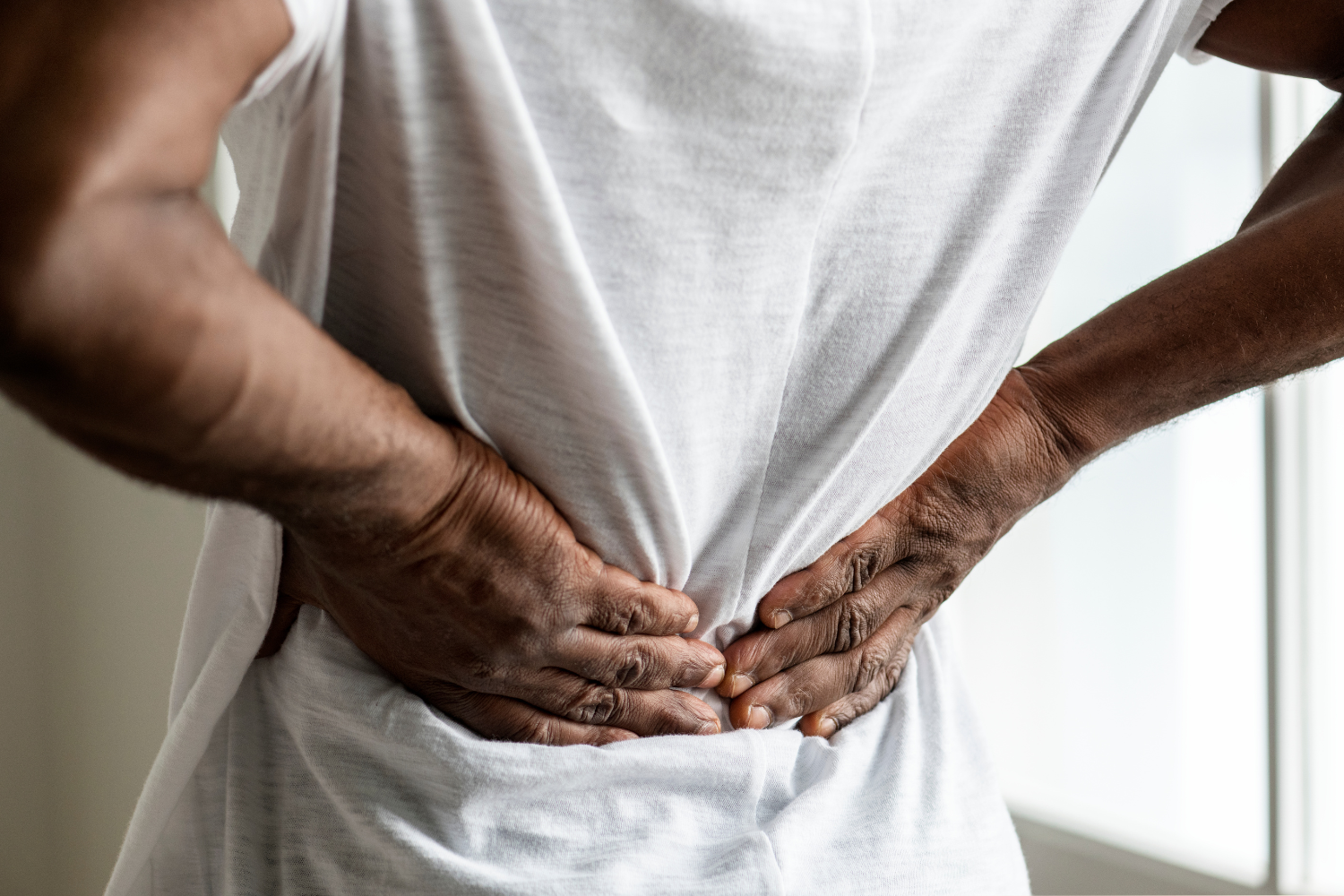
Lower back pain can quietly take over your life. It can make it hard to sit through dinner, walk along the beach, travel, or even sleep through the night. What starts as a dull ache can turn into constant discomfort that limits how you work, move, and connect with others.
If you are living with lower back pain, you may feel frustrated or worried about what it means. Is it just a muscle strain, or something more serious? Will it go away on its own, or do you need to see a specialist?
The truth is that most lower back pain improves with the right care and guidance. But certain warning signs should never be ignored. Understanding the difference between mechanical strain and structural spine problems can help you make confident decisions about your health.
At Dr. Gerardo Mangino’s orthopedic practice in Los Cabos, patients receive expert, compassionate evaluations designed to relieve pain and restore mobility. Knowing when to seek orthopedic care can be the first step toward reclaiming an active, pain-free life.
Understanding Lower Back Pain
Lower back pain refers to discomfort in the lumbar spine, the area between your rib cage and pelvis. This region supports most of your body weight and plays a key role in bending, lifting, walking, and twisting.
The lumbar spine includes vertebrae, intervertebral discs, facet joints, ligaments, muscles, and nerve roots. Pain can originate from any of these structures. Some causes are temporary and mechanical, while others are structural conditions that may require specialized orthopedic evaluation.
Recognizing the source of your lower back pain is essential for choosing the right treatment and avoiding long-term complications.
Mechanical vs Structural Causes of Lower Back Pain
One of the most important distinctions in diagnosing lower back pain is whether it is mechanical or structural.
Mechanical Lower Back Pain
Mechanical lower back pain is the most common type. It typically results from muscle strain, ligament sprain, or minor joint irritation. This pain often develops after lifting something heavy, twisting awkwardly, prolonged sitting, or sudden movement.
Mechanical pain usually stays localized in the lower back. It may feel like stiffness, tightness, or a dull ache. Movement often worsens the discomfort, while rest and gentle stretching bring relief. In most cases, mechanical lower back pain improves within days to a few weeks with conservative care.
Structural Lower Back Pain
Structural causes involve changes or damage to the spine itself. These conditions may affect discs, vertebrae, or nerves.
Common structural problems include herniated discs, spinal stenosis, spondylolisthesis, degenerative disc disease, and vertebral fractures. Structural lower back pain may radiate into the buttocks or legs, cause numbness or weakness, or persist despite rest.
Unlike mechanical pain, structural spine conditions often require advanced imaging and orthopedic evaluation to determine the best course of treatment.
Common Causes of Lower Back Pain
Lower back pain can develop for many reasons. Understanding the most frequent causes helps you recognize patterns in your own symptoms.
Muscle Strain and Ligament Sprain
Overuse, poor posture, and improper lifting techniques commonly lead to soft tissue injury. Muscle strain often produces tightness and spasms that limit movement. These injuries typically respond well to rest, physical therapy, and gradual return to activity.
Herniated Disc
A herniated disc occurs when the soft inner material of a spinal disc pushes through its outer layer and irritates nearby nerves. This can cause sharp pain, tingling, or sciatica that travels down one leg. Herniated discs may result from injury or age-related wear and tear.
Degenerative Disc Disease
As you age, spinal discs naturally lose hydration and elasticity. This process can lead to chronic lower back pain, stiffness, and reduced flexibility. Degenerative disc disease may also contribute to nerve compression over time.
Spinal Stenosis
Spinal stenosis refers to narrowing of the spinal canal. This condition can compress nerve roots, causing leg pain, numbness, or weakness, especially when standing or walking. Symptoms often improve when sitting or bending forward.
Spondylolisthesis
Spondylolisthesis happens when one vertebra slips forward over another. This instability can cause persistent lower back pain and nerve symptoms. In some cases, surgical stabilization may be required.
Arthritis and Inflammatory Conditions
Osteoarthritis can wear down the facet joints in the lumbar spine, leading to stiffness and chronic discomfort. Inflammatory disorders such as ankylosing spondylitis may cause long-term back pain and reduced spinal mobility.
Osteoporosis and Compression Fractures
Weakened bones increase the risk of vertebral fractures, especially after minor trauma. Sudden, severe lower back pain in older adults should prompt immediate evaluation.
Red Flags: When Lower Back Pain Is Serious
While most lower back pain is not dangerous, certain symptoms require urgent medical attention.
Seek immediate care if you experience loss of bowel or bladder control, numbness in the groin area, rapidly worsening leg weakness, or severe trauma-related pain. These may signal cauda equina syndrome or spinal cord compression.
Other warning signs include unexplained weight loss, persistent fever, history of cancer, or pain that does not improve after several weeks of conservative care.
Pain that radiates down the leg with numbness or weakness may indicate nerve compression. Persistent symptoms should be evaluated by an orthopedic specialist to prevent permanent damage.
When to See an Orthopedic Specialist
You should consider orthopedic evaluation if your lower back pain lasts longer than six weeks, interferes with daily activities, or progressively worsens.
If you have persistent sciatica, repeated flare-ups, or difficulty walking or standing, advanced imaging such as MRI may be necessary to identify structural problems.
An experienced orthopedic surgeon can determine whether your condition is mechanical and manageable with therapy or structural and potentially requiring interventional treatment.
At Dr. Gerardo Mangino’s practice in Cabo San Lucas, patients receive thorough assessments and personalized care plans. His international training and expertise in musculoskeletal conditions allow patients to access world-class orthopedic care with shorter wait times and bilingual support.
Diagnosis of Lower Back Pain
Accurate diagnosis begins with a detailed medical history and physical examination. Your specialist will assess posture, flexibility, strength, reflexes, and nerve function.
Imaging studies are used selectively. X-rays reveal bone alignment and arthritis. MRI scans provide detailed images of discs, nerves, and soft tissues. CT scans may be used if MRI is not possible.
The goal is to identify whether the pain is mechanical, degenerative, inflammatory, or neurologic in origin. A precise diagnosis ensures effective and targeted treatment.
Treatment Options for Lower Back Pain
Treatment depends on the cause, severity, and duration of symptoms.
Conservative Care
Most mechanical lower back pain improves with non-surgical approaches. These include anti-inflammatory medications, physical therapy, posture correction, and core strengthening exercises. Heat therapy, activity modification, and gradual return to movement are often effective.
Targeted rehabilitation improves spinal stability and reduces recurrence risk.
Interventional Treatments
For persistent nerve-related pain, corticosteroid injections may reduce inflammation and provide temporary relief. These procedures can allow patients to participate more fully in rehabilitation programs.
Surgical Treatment
Surgery is typically reserved for structural problems that do not respond to conservative care or for progressive neurological deficits.
Procedures such as discectomy, laminectomy, or spinal fusion address herniated discs, spinal stenosis, or instability. When surgery is necessary, choosing a highly trained orthopedic surgeon is critical for optimal outcomes.
Dr. Mangino’s patient-centered approach ensures that surgery is considered only when appropriate and after all conservative options have been explored.
Preventing Future Lower Back Pain
Preventive strategies play a crucial role in long-term spine health.
Maintaining a strong core supports the lumbar spine and reduces mechanical strain. Regular low-impact exercise such as walking or swimming promotes circulation and flexibility.
Proper lifting technique, ergonomic work setups, and avoiding prolonged sitting help minimize stress on spinal structures.
Maintaining a healthy weight reduces pressure on discs and joints. Quitting smoking improves blood flow to spinal tissues and enhances healing capacity.
By addressing risk factors early, you can significantly reduce the likelihood of chronic lower back pain.
Frequently Asked Questions
What is the most common cause of lower back pain?
The most common cause of lower back pain is mechanical strain involving muscles or ligaments. This type of pain usually results from lifting, twisting, or prolonged poor posture and typically improves with conservative treatment.
How do I know if my lower back pain is serious?
Lower back pain is considered serious if it includes bowel or bladder dysfunction, progressive leg weakness, numbness in the groin area, fever, unexplained weight loss, or persistent pain lasting more than six weeks. These symptoms require medical evaluation.
Can lower back pain heal without surgery?
Yes. Most cases of lower back pain improve without surgery. Physical therapy, medications, posture correction, and lifestyle modifications are effective for many patients. Surgery is reserved for structural conditions that fail conservative treatment.
When should I see a spine specialist?
You should see a spine or orthopedic specialist if pain persists beyond six weeks, significantly limits daily activity, radiates into the legs, or causes numbness or weakness. Early evaluation can prevent worsening complications.
Take the First Step Toward a Pain-Free Life
Living with lower back pain can feel isolating, exhausting, and discouraging. But you do not have to accept discomfort as your new normal. The right diagnosis and personalized care can restore your mobility and confidence.
Dr. Gerardo Mangino is committed to helping patients in Los Cabos and around the world regain active, pain-free lives. With internationally trained expertise, compassionate guidance, and access to advanced orthopedic solutions, he provides the clarity and treatment plan you deserve.
If lower back pain is limiting your life, schedule a consultation or request a second opinion today. Your spine health matters, and expert care can help you move forward without pain.


