

.png)
.png)
.jpg)

You wake up with a familiar ache in your lower back, but this time it feels different. The pain doesn’t stay in one place. It shoots down your leg like an electric current, making it hard to sit, stand, or even sleep. Each movement reminds you that something deeper is wrong.
That sharp, burning pain can be frightening. You may wonder if it’s just a pulled muscle or something more serious. When numbness or weakness begins to affect your foot or ankle, everyday tasks suddenly feel uncertain and overwhelming.
This pattern of pain is often a sign of lumbar radiculopathy, a condition caused by irritation or compression of a nerve root in the lower spine. It explains why the pain travels and why simple activities like coughing or bending can make it worse.
For patients seeking expert, compassionate care in Los Cabos, Dr. Gerardo Mangino, MD understands how debilitating nerve-related back pain can be. His goal is not only to treat the condition but to restore mobility and confidence so you can return to an active, pain-free life.
What Is Lumbar Radiculopathy?
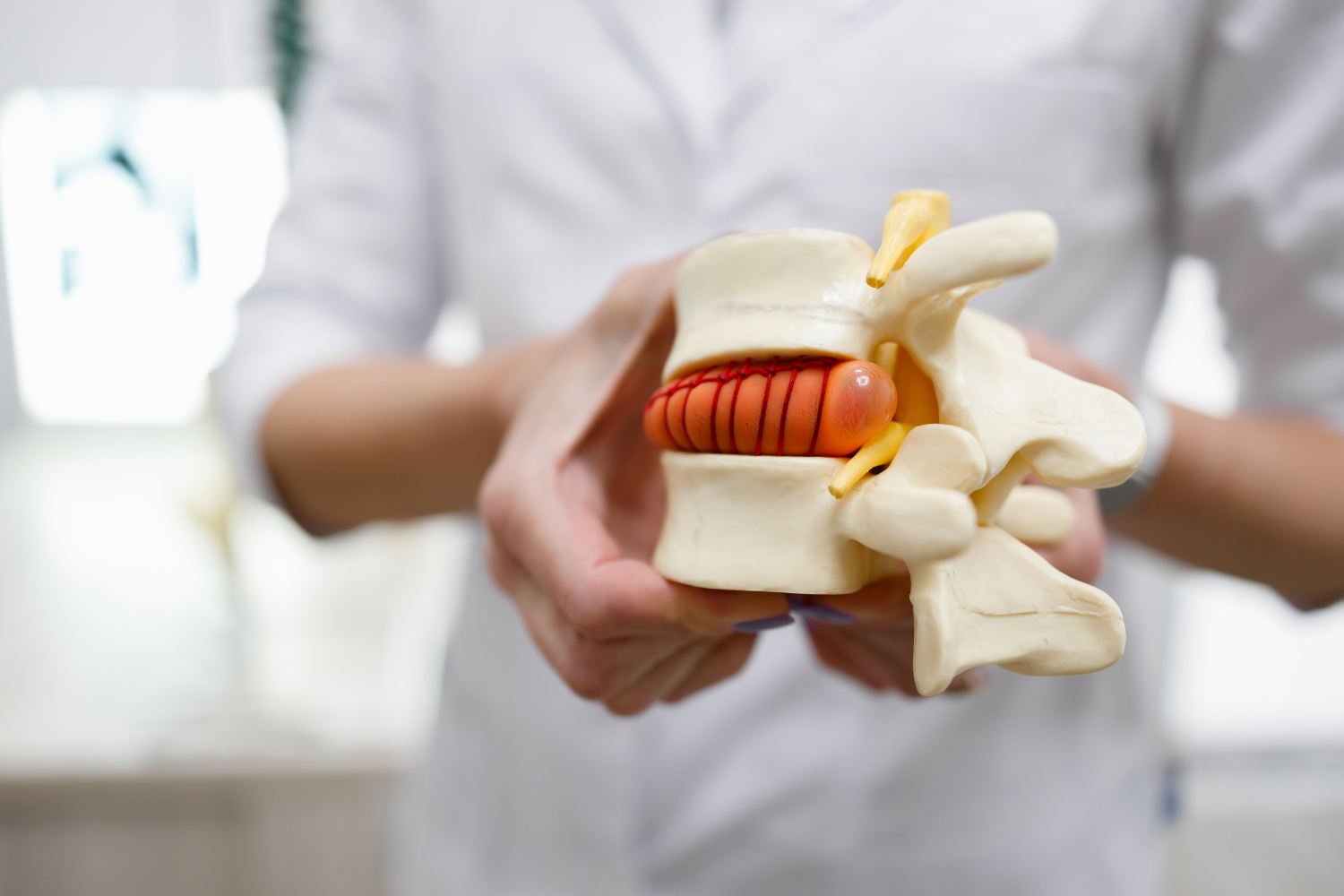
Lumbar radiculopathy occurs when a nerve root in the lower spine becomes compressed or inflamed. The lumbar spine contains five vertebrae labeled L1 through L5, followed by the sacrum. Between these bones are discs that act as cushions. Nerve roots exit the spine at each level and travel into the hips and legs.
When one of these nerve roots is irritated, it produces symptoms along the path of that nerve. This is why pain often radiates from the lower back into the buttock, thigh, calf, or foot.
The condition is sometimes referred to as a “pinched nerve” in the lower back. While that phrase is simple, the underlying process involves both mechanical pressure and inflammation affecting nerve function.
How Nerve Compression Causes Back and Leg Pain
Mechanical Pressure on the Nerve Root
The most common cause of lumbar radiculopathy is a herniated disc. When the soft inner portion of a disc pushes through its outer layer, it can press directly on a nearby nerve root. This pressure distorts the nerve and disrupts normal signal transmission.
Bone spurs, thickened ligaments, or vertebral slippage can also narrow the spaces where nerves exit the spine. This narrowing is known as foraminal stenosis. When the space becomes too tight, the nerve becomes compressed.
Inflammation and Chemical Irritation
Compression alone does not fully explain the pain. Damaged discs release inflammatory chemicals that irritate the nerve root. This inflammatory response increases sensitivity, making the nerve more reactive to movement or strain.
Reduced blood flow from sustained pressure can also impair nerve function. Over time, this may lead to numbness or muscle weakness if not addressed.
Why the Pain Travels Down the Leg
Each lumbar nerve root supplies a specific area of skin and muscle known as a dermatome and myotome. When that root is irritated, symptoms follow a predictable path.
For example, irritation of the L5 nerve root may cause pain or numbness on the top of the foot and weakness when lifting the big toe. S1 nerve compression often produces pain down the back of the leg and reduced ankle reflex.
Understanding these patterns helps physicians accurately diagnose the affected level.
Common Symptoms of Lumbar Radiculopathy
Symptoms can vary depending on the level and severity of nerve involvement, but certain features are characteristic.
Radiating leg pain is the hallmark sign. Patients often describe it as sharp, burning, or electric. The pain may worsen with sitting, bending forward, coughing, or sneezing.
Numbness or tingling may occur in the same distribution as the pain. Some individuals notice decreased sensation in the foot or lower leg.
Muscle weakness can develop if the nerve’s motor fibers are affected. This may appear as difficulty lifting the foot, climbing stairs, or pushing off while walking.
In more serious cases, progressive weakness, loss of bowel or bladder control, or numbness in the groin area may indicate cauda equina syndrome, which requires immediate medical evaluation.
What Causes Lumbar Radiculopathy?
Disc Herniation
Disc herniation is the most common cause in younger and middle-aged adults. Repetitive bending, lifting, or sudden twisting can cause the disc’s outer ring to tear, allowing the inner material to protrude.
Most herniations occur at the L4–L5 or L5–S1 levels, which bear significant mechanical stress.
Degenerative Changes and Spinal Stenosis
As we age, discs lose hydration and height. Facet joints enlarge, and ligaments thicken. These changes can narrow the spinal canal or foramina, leading to nerve compression.
Spinal stenosis is more common in older adults and may cause bilateral leg symptoms or difficulty walking long distances.
Other Contributing Factors
Less common causes include vertebral fractures, tumors, infections, and spondylolisthesis. Risk factors include smoking, obesity, repetitive heavy lifting, and a history of low back pain.
Identifying the exact cause guides treatment decisions.
How Lumbar Radiculopathy Is Diagnosed
Clinical Evaluation
Diagnosis begins with a detailed medical history and physical examination. A physician assesses pain distribution, strength, reflexes, and sensation.
The straight leg raise test is commonly used. Elevating the leg while the patient lies flat may reproduce radiating pain, suggesting nerve root irritation.
Mapping muscle strength and reflex changes helps pinpoint the affected nerve root.
Imaging Studies
MRI without contrast is the preferred imaging modality. It clearly shows disc herniations, nerve compression, and spinal stenosis.
CT myelography may be used when MRI is contraindicated. Imaging findings must correlate with clinical symptoms, as many people have disc bulges without pain.
Electrodiagnostic Testing
Electromyography and nerve conduction studies can confirm nerve root dysfunction and differentiate it from peripheral neuropathy.
These tests are particularly helpful when symptoms and imaging findings do not align clearly.
Evidence-Based Treatment Options
Management of lumbar radiculopathy typically follows a stepwise approach, beginning with conservative care and progressing to advanced interventions if needed.
Conservative Treatment
Most cases improve within weeks to a few months. Initial treatment focuses on reducing inflammation and restoring movement.
Activity modification is important, but prolonged bed rest is discouraged. Guided physical therapy emphasizes core strengthening, gentle mobility work, and nerve-gliding techniques.
Nonsteroidal anti-inflammatory drugs may reduce pain and inflammation. Short courses of oral steroids may be considered in select cases.
Epidural Steroid Injections
When pain persists despite conservative care, epidural steroid injections may provide relief. These injections deliver anti-inflammatory medication directly around the irritated nerve root.
Transforaminal injections allow precise targeting of the affected nerve. While not a permanent solution, injections can reduce pain enough to allow rehabilitation progress.
Surgical Treatment
Surgery is considered when conservative treatment fails or when significant weakness develops.
A microdiscectomy removes the portion of the herniated disc pressing on the nerve. Laminectomy or decompression procedures relieve pressure caused by stenosis.
Modern minimally invasive techniques can reduce recovery time and postoperative discomfort. For carefully selected patients, surgery often provides faster relief of leg pain compared to prolonged nonoperative care.
For individuals seeking advanced orthopedic expertise in Cabo San Lucas, Dr. Gerardo Mangino, MD offers comprehensive evaluation and personalized surgical planning, including minimally invasive spine procedures when appropriate.
Recovery and Long-Term Outlook
The prognosis for lumbar radiculopathy is generally favorable. Many patients experience substantial improvement with conservative care alone.
Factors influencing recovery include symptom duration, severity of nerve compression, overall health, and adherence to rehabilitation programs.
Post-treatment rehabilitation focuses on core strength, posture correction, and gradual return to activity. Long-term prevention includes maintaining a healthy weight, using proper lifting techniques, and staying physically active.
Early intervention and accurate diagnosis significantly improve outcomes.
Frequently Asked Questions About Lumbar Radiculopathy
What is the difference between lumbar radiculopathy and sciatica?
Sciatica refers to pain along the sciatic nerve pathway, typically down the back of the leg. Lumbar radiculopathy is the underlying nerve root irritation that may cause sciatica. Radiculopathy can involve different lumbar or sacral roots and may produce additional motor or sensory deficits.
How long does lumbar radiculopathy last?
Many cases improve within six to twelve weeks with conservative treatment. Persistent symptoms beyond this timeframe may require advanced imaging, injections, or surgical consultation.
Can lumbar radiculopathy heal without surgery?
Yes. A significant number of patients recover without surgical intervention. Physical therapy, medications, and time often allow inflammation to resolve and the nerve to recover.
When should I see a spine specialist?
You should seek evaluation if pain persists beyond several weeks, if weakness develops, or if you experience bowel or bladder changes. Early assessment ensures appropriate and timely treatment.
Reclaim Your Movement and Confidence
Living with lumbar radiculopathy can feel isolating and exhausting. The constant leg pain, numbness, or weakness can disrupt your work, sleep, and quality of life. But you are not alone, and effective solutions exist.
With expert diagnosis, personalized treatment, and compassionate care, relief is possible. Dr. Gerardo Mangino, MD is dedicated to helping patients in Los Cabos and international visitors regain mobility through world-class orthopedic care, short wait times, and bilingual support.
If nerve compression is limiting your life, do not wait. Schedule a consultation or request a second opinion today. The right treatment plan can restore strength, reduce pain, and help you return to the active life you deserve.


