

.png)
.png)
.jpg)

A sudden twist on the tennis court. A deep squat while lifting something heavy. Or maybe just standing up from a chair and feeling a sharp pain inside your knee. When your knee swells, catches, or refuses to fully straighten, it is not just frustrating—it is frightening. You may wonder if you have a meniscus tear, and what that really means for your mobility and independence.
For many active adults and athletes, knee pain feels like a threat to everything they enjoy. Walking along the beach, playing sports, traveling, or simply climbing stairs without discomfort can suddenly seem uncertain. A diagnosis involving cartilage can sound complicated and overwhelming.
The good news is that not all meniscus injuries are the same. Understanding the difference between a general meniscus tear and a medial meniscus tear can help you make informed decisions about treatment, recovery, and long-term knee health.
At Dr. Gerardo Mangino’s orthopedic practice in Los Cabos, patients receive expert, compassionate guidance through every step—from diagnosis to recovery. Whether you are managing early symptoms or considering surgery, knowing your options empowers you to move forward with confidence.
What Is a Meniscus Tear?
A meniscus tear is an injury to the crescent-shaped cartilage pads inside the knee. Each knee has two menisci: one on the inside (medial) and one on the outside (lateral). These structures act as shock absorbers between the thigh bone (femur) and shin bone (tibia).
The menisci distribute weight across the joint, improve stability, and protect the smooth articular cartilage that allows painless motion. When one tears, pain, swelling, and mechanical symptoms often follow.
A meniscus tear can occur suddenly during sports or gradually over time due to degeneration. The type, location, and severity of the tear influence both symptoms and treatment options.
Understanding Knee Anatomy: Medial vs Lateral Meniscus
Structure and Function of the Meniscus
The meniscus is made of tough fibrocartilage composed of collagen fibers and water. This design allows it to deform under pressure and then return to shape, reducing stress on the joint surfaces during walking, running, and jumping.
Each meniscus has a limited blood supply. The outer portion, often called the “red zone,” receives some blood flow and has better healing potential. The inner “white zone” lacks significant blood supply, which makes healing more difficult.
Beyond shock absorption, the menisci play key roles in joint lubrication and stability. Losing or damaging meniscal tissue increases joint pressure and raises the long-term risk of osteoarthritis.
What Is a Medial Meniscus Tear?
A medial meniscus tear specifically affects the inner cartilage pad of the knee. The medial meniscus is more C-shaped and firmly attached to surrounding structures, including the medial collateral ligament.
Because it moves less than the lateral meniscus, it is more vulnerable to injury—especially during twisting motions when the foot is planted. Medial meniscus tears are the most common type of meniscus injury.
Patients often feel pain along the inner side of the knee. Tenderness at the joint line, swelling, and difficulty squatting are frequent signs.
Lateral Meniscus Tears Compared
The lateral meniscus sits on the outer side of the knee and is more circular and mobile. This increased mobility offers some protection, but high-energy injuries or combined ligament damage, such as ACL tears, can still cause lateral meniscus tears.
Pain from a lateral tear is usually felt on the outer knee and may radiate toward the back. While less common than medial tears, lateral tears can significantly affect athletes and active individuals.
Understanding whether the injury is medial or lateral helps guide both diagnosis and surgical planning.
Causes of a Meniscus Tear
Acute Injury
An acute meniscus tear often occurs during sports that involve pivoting, cutting, or sudden direction changes. Soccer, basketball, skiing, and tennis are common culprits. A twisting injury with the foot planted can trap and tear the cartilage.
Patients frequently report a popping sensation at the time of injury. Swelling typically develops within 24 hours, followed by stiffness and pain.
Acute tears often occur alongside ligament injuries, particularly ACL tears. Combined injuries may lead to instability and larger cartilage damage.
Degenerative Meniscus Tears
Not all meniscus tears result from trauma. Degenerative tears develop gradually as cartilage weakens with age. Adults over 40 commonly experience these injuries without a dramatic event.
Simple movements such as rising from a chair or turning in bed may trigger pain. Degenerative meniscus tears are often associated with early osteoarthritis.
Understanding whether a tear is traumatic or degenerative helps determine the best course of treatment.
Types of Meniscus Tears
Meniscal tears vary in pattern, and each type has different treatment implications.
A longitudinal tear runs along the length of the meniscus. When a fragment flips inward, it becomes a bucket-handle tear, which can cause knee locking.
A radial tear extends from the inner edge outward. These tears disrupt load distribution and often heal poorly.
A horizontal tear splits the meniscus into upper and lower sections and is commonly seen in degenerative cases.
A flap tear creates a loose fragment that may catch or cause mechanical symptoms.
Accurate classification using MRI imaging allows an orthopedic specialist to recommend appropriate management, whether conservative care or surgery.
Symptoms of a Meniscus Tear
The most common symptom of a meniscus tear is localized knee pain. Pain often worsens with twisting, squatting, or climbing stairs.
Swelling may appear gradually over hours or days. Stiffness can limit full extension or bending of the knee.
Mechanical symptoms are particularly suggestive. Locking, catching, or a feeling that the knee is giving way may indicate a displaced tear.
In medial meniscus tears, discomfort is usually concentrated along the inner joint line. Lateral tears cause pain along the outer edge.
Persistent symptoms lasting more than a few weeks warrant evaluation by a knee specialist.
How Doctors Diagnose a Meniscus Tear
Diagnosis begins with a detailed history and physical examination. An orthopedic physician evaluates swelling, range of motion, and joint-line tenderness.
The McMurray test and other maneuvers may reproduce pain or clicking, suggesting a tear. While these tests raise suspicion, imaging confirms the diagnosis.
X-rays rule out fractures and significant arthritis but cannot show cartilage injuries. MRI is the gold standard for visualizing meniscal tears and associated ligament damage.
At Dr. Gerardo Mangino’s clinic in Cabo San Lucas, advanced imaging and expert clinical evaluation ensure precise diagnosis. For international patients seeking fast access and bilingual care, this streamlined process reduces wait times and uncertainty.
Meniscus Tear Treatment Options
Treatment depends on tear type, patient age, activity level, and symptom severity.
Nonsurgical Management
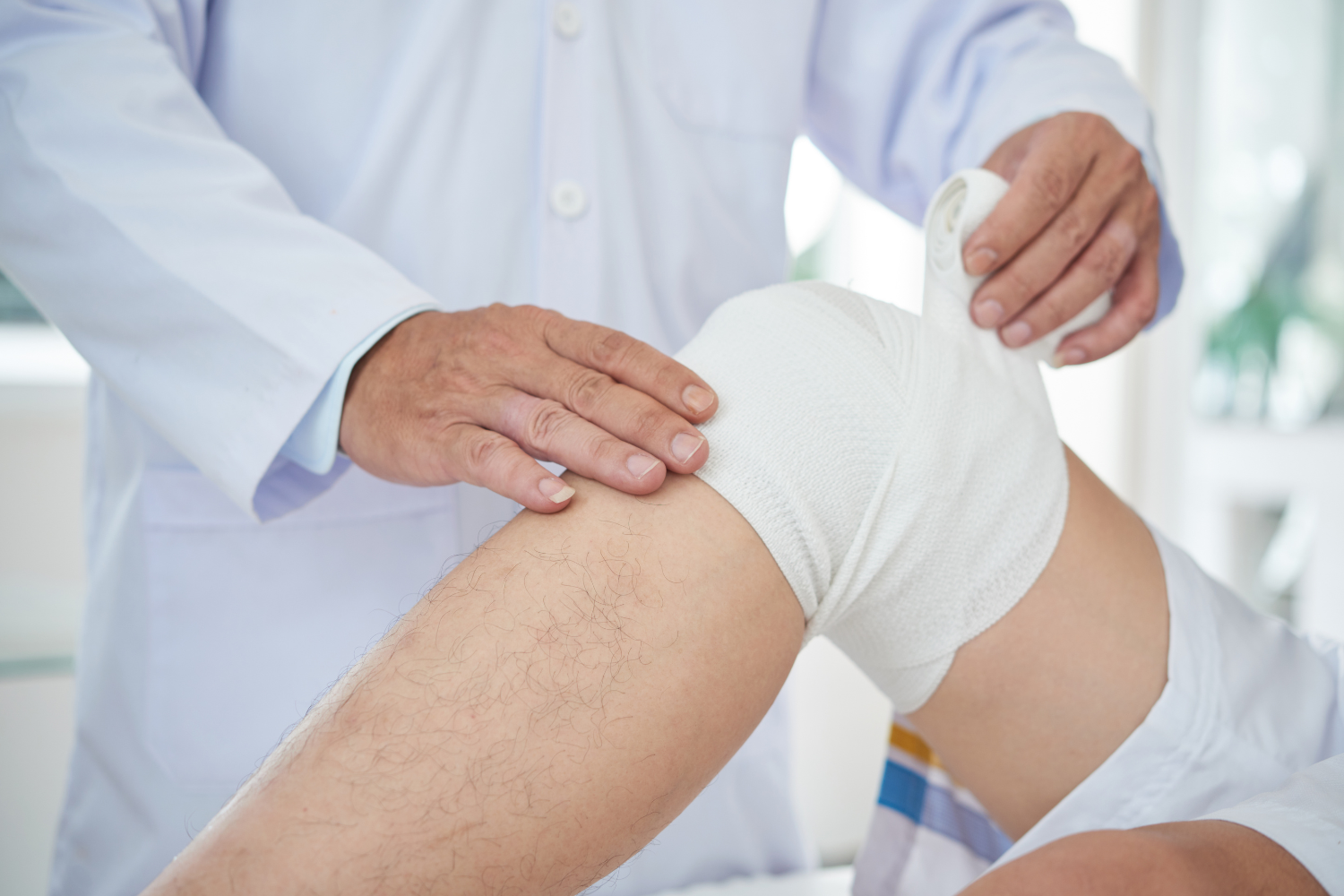
Many meniscus tears improve without surgery. Rest, ice, compression, and elevation help reduce swelling. Anti-inflammatory medications can ease discomfort.
Physical therapy is central to recovery. Strengthening the quadriceps, hamstrings, and hip muscles improves stability and reduces joint stress. Controlled exercises restore motion and confidence.
Degenerative tears often respond well to conservative care within four to six weeks. Even some traumatic tears may stabilize with rehabilitation.
When Is Surgery Necessary?
Surgery is considered when symptoms persist despite therapy, when the knee locks, or when imaging reveals a repairable tear in a healthy region.
Arthroscopic surgery uses small incisions and a camera to access the joint. Procedures include partial meniscectomy, which trims damaged tissue, or meniscus repair, which stitches the tear.
Meniscus repair preserves cartilage and offers better long-term joint protection but requires longer rehabilitation. Partial meniscectomy allows faster recovery but may increase the risk of osteoarthritis over time.
In rare cases involving significant tissue loss, meniscus transplant may be considered in younger patients.
Recovery Timeline After a Meniscus Tear
Recovery varies depending on treatment.
- Nonsurgical management typically allows return to normal activity within four to six weeks.
- After partial meniscectomy, many patients resume daily activities in three to six weeks.
- Meniscus repair requires patience. Crutches and limited knee bending may be necessary for several weeks, and full return to sports may take three to six months.
- Adherence to rehabilitation protocols significantly reduces re-injury risk and promotes long-term joint health.
Long-Term Outlook and Knee Protection
Protecting the meniscus preserves knee function for years to come. Maintaining strong leg muscles reduces stress on cartilage.
Low-impact activities such as cycling and swimming promote joint health without excessive load. Avoiding repetitive deep squats or pivoting when fatigued also lowers injury risk.
For patients with prior meniscectomy or cartilage damage, regular follow-up with an orthopedic specialist helps monitor joint health and prevent progression toward osteoarthritis.
Early evaluation and expert care make a measurable difference in outcomes.
Frequently Asked Questions
What is the difference between a meniscus tear and a medial meniscus tear?
A meniscus tear refers to damage in either of the two cartilage pads in the knee. A medial meniscus tear specifically affects the inner cartilage. Medial tears are more common due to reduced mobility and stronger attachments.
Can a meniscus tear heal without surgery?
Yes. Many small or degenerative tears improve with rest, physical therapy, and anti-inflammatory treatment. Tears in the outer red zone have better healing potential because of greater blood supply.
How do I know if my meniscus tear requires surgery?
Surgery may be needed if your knee locks, symptoms persist after conservative care, or imaging shows a repairable tear. An orthopedic specialist evaluates clinical findings and MRI results before recommending surgery.
How long does it take to walk normally after a meniscus tear?
With nonsurgical treatment or partial meniscectomy, many patients walk comfortably within weeks. After meniscus repair, protected weight-bearing may be required for several weeks before normal walking resumes.
Moving Forward with Confidence and Expert Care
Knee pain can disrupt your active lifestyle, but it does not have to define your future. Understanding the difference between a general meniscus tear and a medial meniscus tear helps you make informed, confident decisions about your health.
At Dr. Gerardo Mangino’s orthopedic practice in Los Cabos, patients receive world-class, personalized care designed to relieve pain and restore mobility. With internationally trained expertise, shorter wait times, and bilingual support, Dr. Mangino helps patients from Mexico and abroad return to the activities they love.
If you are experiencing persistent knee pain, swelling, or locking, do not wait. Schedule a consultation or request a second opinion today. Taking action now can protect your cartilage, preserve your joint, and help you move forward—stronger and pain-free.


