

.png)
.png)
.jpg)

Back pain has a way of quietly taking over your life. It begins as a small discomfort, something you brush off after a long day, but slowly it becomes something harder to ignore. Sitting feels different, sleep becomes restless, and even simple movements start to carry hesitation. In those moments, uncertainty grows, and one question becomes louder than the rest, what is really causing this pain?
For many people, the next step involves imaging. You hear terms like MRI and X Ray, but the differences are not always clear. One sounds advanced and detailed, the other quick and familiar. Choosing between them can feel overwhelming, especially when your comfort and long term health are at stake.
This is where guidance matters. Professionals like Dr Mangino understand that spine pain is not just physical, it is emotional and deeply personal. The right imaging test is not just about technology, it is about finding answers that lead to real relief and confident decisions.
In this article, you will learn exactly how MRI and X Ray compare, when each is appropriate, and how to make the best choice for your situation. If you are searching for clarity on spine imaging MRI vs Xray, you are in the right place.
Understanding Spine Imaging MRI vs Xray
When doctors evaluate spinal pain, imaging plays a key role in identifying the underlying cause. The comparison of spine imaging MRI vs Xray is one of the most common decisions in clinical practice, yet each test serves a very different purpose.
An X Ray uses a small amount of radiation to create images of dense structures like bones. It is fast, widely available, and often the first step when assessing injuries or structural abnormalities.
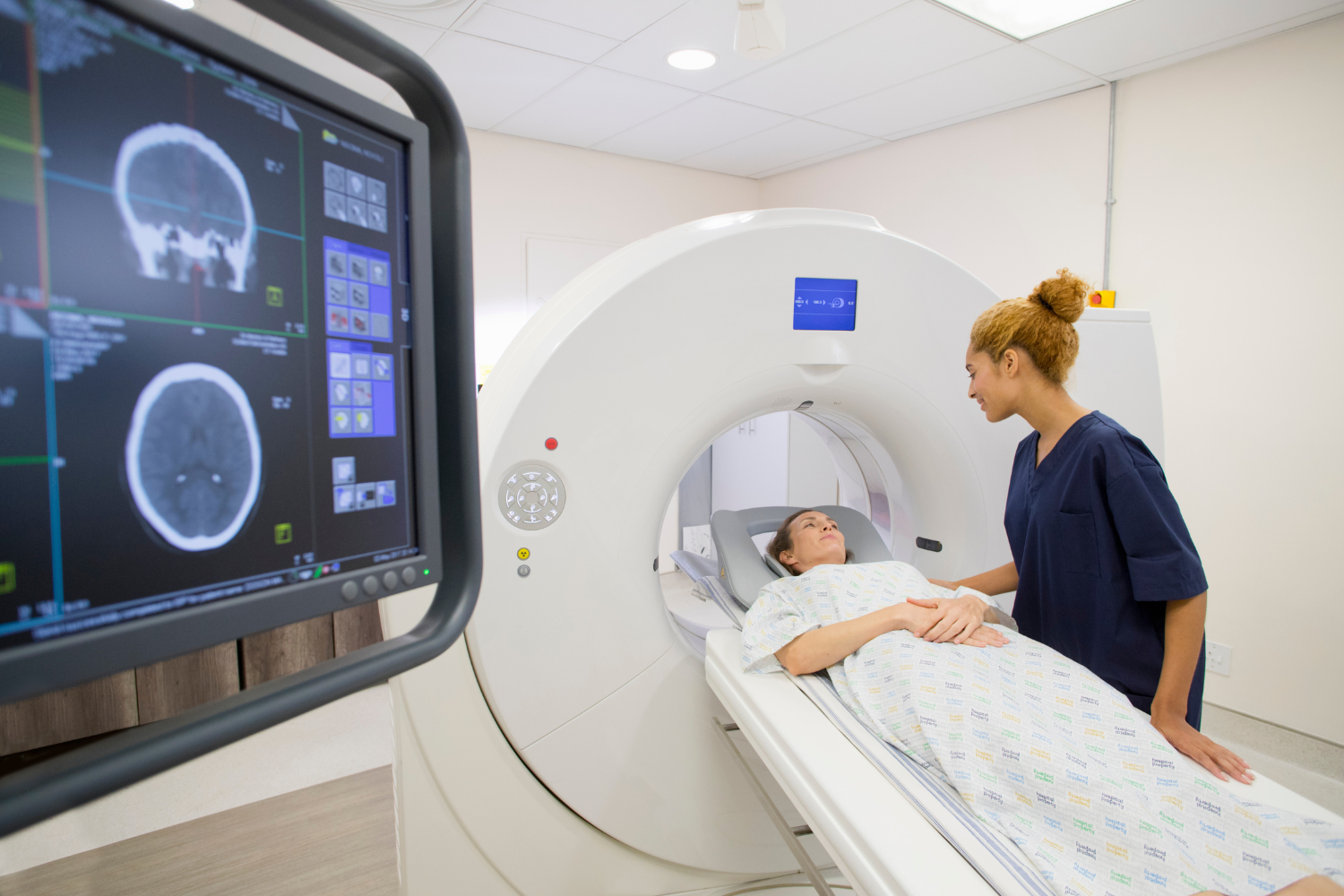
An MRI, or magnetic resonance imaging, uses powerful magnets and radio waves instead of radiation. It produces detailed images of soft tissues, including discs, nerves, ligaments, and even inflammation. This makes it far more sensitive for detecting subtle or complex conditions.
Understanding this distinction is essential because the effectiveness of each test depends on what your doctor is looking for.
How X Rays Work for Spine Pain
When X Rays Are Most Useful
X Rays are typically the first imaging test ordered for spine pain, especially in initial evaluations. They are particularly effective in identifying fractures, spinal alignment issues, and degenerative changes such as arthritis.
If you have experienced trauma, such as a fall or accident, an X Ray can quickly reveal whether there is a broken bone or instability. It is also useful for monitoring chronic conditions that affect bone structure over time.
Limitations of X Rays
Despite their convenience, X Rays have significant limitations. They cannot show soft tissues like discs or nerves, which are often the source of persistent pain. Conditions such as herniated discs or nerve compression will not appear clearly on an X Ray.
This means that while X Rays are helpful for ruling out certain issues, they may not provide a complete picture when symptoms persist or worsen.
How MRI Scans Work for Spine Pain
What Makes MRI Different
MRI scans provide a much deeper level of detail compared to X Rays. They allow doctors to see the structures inside the spine with remarkable clarity, including intervertebral discs, spinal cord, and surrounding soft tissues.
This level of detail makes MRI the preferred choice when symptoms suggest nerve involvement, such as radiating pain, numbness, or weakness.
Conditions Best Diagnosed with MRI
MRI is particularly effective in diagnosing herniated discs, spinal stenosis, infections, tumors, and inflammation. It is also essential for evaluating unexplained or persistent pain that does not improve with initial treatment.
Because MRI does not use radiation, it is often considered safer for repeated use, although it may not be suitable for patients with certain implants or devices.
Key Differences Between MRI and X Ray
Imaging Detail and Accuracy
The most important difference lies in what each test can reveal. X Rays focus on bones, while MRI provides a comprehensive view of both bones and soft tissues. This makes MRI significantly more accurate for diagnosing complex spinal conditions.
Speed and Accessibility
X Rays are quick and widely available, often completed in minutes. MRI scans take longer, typically between 30 to 60 minutes, and may require scheduling at specialized facilities.
Cost Considerations
X Rays are generally more affordable, making them a practical first step in many cases. MRI scans are more expensive, but they provide detailed information that can prevent misdiagnosis and unnecessary treatments.
Radiation Exposure
X Rays involve a small amount of radiation, while MRI does not use any radiation at all. This distinction can influence the choice, especially for patients requiring multiple imaging studies.
When Is Advanced Imaging Appropriate for Spine Pain
Early Stage Back Pain
In most cases of mild or recent back pain, advanced imaging is not immediately necessary. Doctors often recommend conservative treatments such as rest, physical therapy, or medication before ordering detailed scans.
Persistent or Worsening Symptoms
Advanced imaging becomes appropriate when pain lasts longer than a few weeks or does not respond to initial treatment. If symptoms worsen or interfere with daily activities, an MRI may be recommended to identify the underlying cause.
Red Flag Symptoms
Certain symptoms require immediate and advanced imaging. These include severe weakness, loss of bladder or bowel control, unexplained weight loss, or pain following significant trauma. In these situations, MRI is often the preferred choice due to its ability to detect serious conditions.
Personalized Decision Making
Choosing between MRI and X Ray is not a one size fits all decision. Experts like Dr Mangino evaluate your symptoms, medical history, and risk factors to determine the most appropriate imaging approach. This personalized strategy ensures that you receive the right diagnosis without unnecessary procedures.
Benefits and Drawbacks of Each Imaging Method
Advantages of X Ray
X Rays are quick, accessible, and cost effective. They are excellent for identifying fractures and structural changes in the spine. For many patients, they provide a valuable starting point in the diagnostic process.
Disadvantages of X Ray
The main limitation is the lack of detail for soft tissues. This can lead to incomplete assessments when the source of pain is not related to bone structures.
Advantages of MRI
MRI offers unmatched detail and can identify a wide range of conditions affecting the spine. It is particularly useful for complex or persistent cases where other tests have not provided answers.
Disadvantages of MRI
MRI scans are more expensive and time consuming. Some patients may find the enclosed space uncomfortable, and certain medical devices can prevent their use.
Choosing the Right Test for Your Situation
Deciding between MRI and X Ray depends on several factors, including the nature of your pain, how long it has lasted, and whether there are any concerning symptoms.
For acute injuries or suspected fractures, an X Ray is often the first step. If the results are inconclusive or symptoms persist, an MRI may follow to provide a more detailed evaluation.
For chronic or unexplained pain, starting with an MRI may be more appropriate, especially when nerve involvement is suspected.
The key is not to focus solely on the technology, but on what will provide the most accurate and useful information for your specific condition.
The Role of Expert Guidance in Spine Imaging
Imaging tests are tools, but their value depends on how they are used and interpreted. Working with an experienced professional ensures that you receive the right test at the right time.
Dr Mangino emphasizes a patient centered approach, combining clinical expertise with advanced imaging to uncover the true cause of spine pain. This approach not only improves diagnosis but also guides effective treatment strategies.
When imaging is used thoughtfully, it becomes a powerful step toward recovery rather than just another procedure.
FAQ Section
When should I choose MRI over X Ray for spine pain
MRI is recommended when symptoms suggest nerve involvement, such as radiating pain, numbness, or weakness. It is also preferred for persistent pain that does not improve with initial treatment.
Can an X Ray detect a herniated disc
No, X Rays cannot show soft tissues like discs or nerves. A herniated disc requires an MRI for accurate diagnosis.
Is MRI always better than X Ray
Not necessarily. MRI provides more detail, but X Rays are sufficient for detecting fractures and structural issues. The best choice depends on your specific symptoms.
Are there risks associated with MRI or X Ray
X Rays involve a small amount of radiation, while MRI does not. However, MRI may not be suitable for patients with certain implants or medical devices.
How long should I wait before getting advanced imaging for back pain
In most cases, doctors recommend waiting a few weeks while trying conservative treatments. If pain persists or worsens, advanced imaging like MRI may be necessary.
Take the Next Step Toward Relief with Dr Mangino
Living with spine pain can feel isolating, but you do not have to navigate it alone. Understanding the difference between MRI and X Ray is a powerful first step, but the real progress comes from taking action with the right guidance.
With the expertise of Dr Mangino, you can move beyond uncertainty and toward a clear diagnosis and effective treatment plan. Every spine is different, and your care should reflect that. The right imaging choice can open the door to lasting relief and restored confidence in your daily life.
If you are still wondering which test is right for you, now is the time to seek answers. Reach out, ask questions, and take control of your health with a professional who understands your journey.


