

.png)
.png)
.jpg)

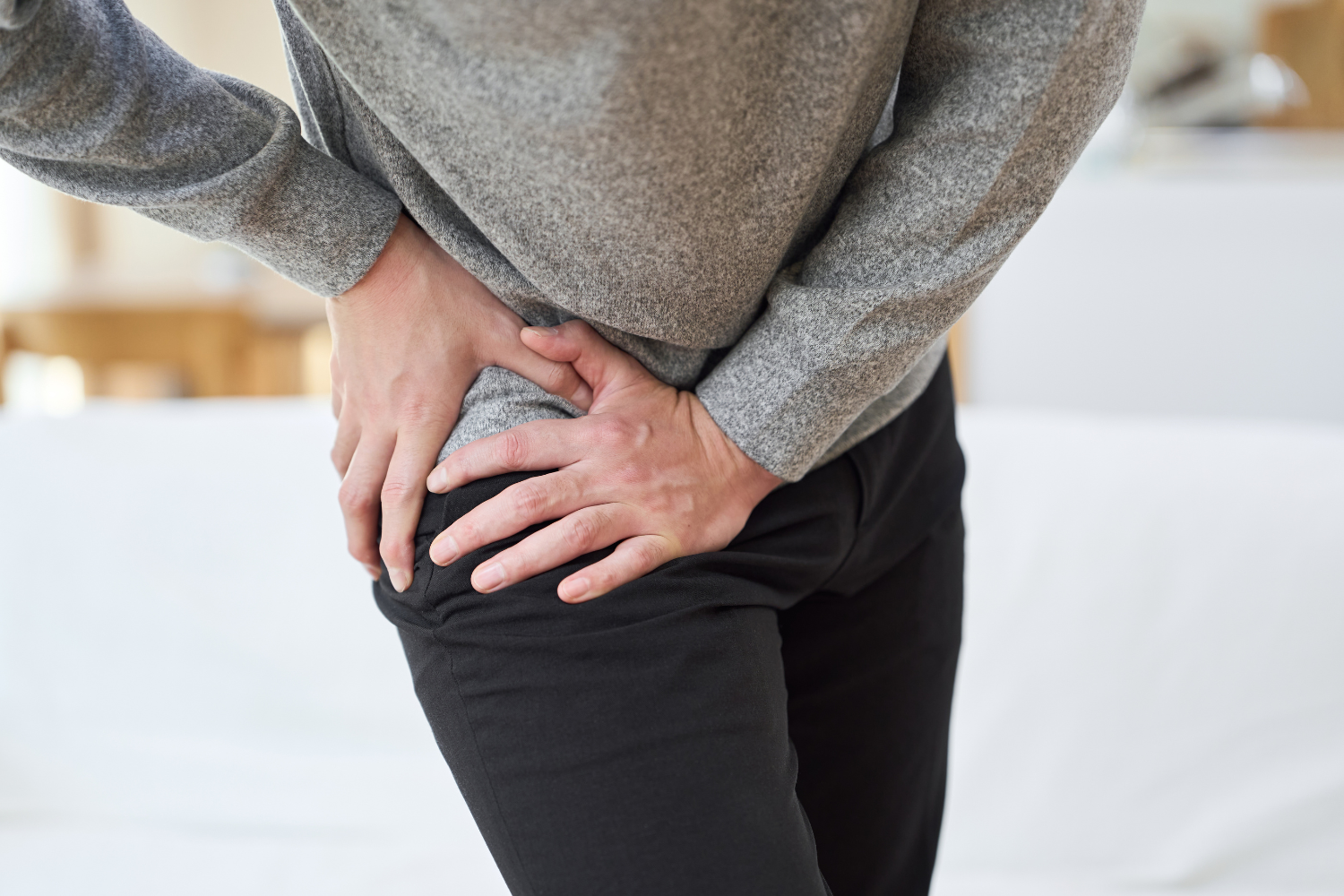
Hip pain has a way of interrupting life at the worst possible moments. It can start as a mild ache after a long walk along the beach in Cabo San Lucas, then slowly turn into sharp discomfort when you climb stairs or lie on your side at night. What once felt effortless now feels guarded and uncertain.
For many people, that persistent outer-hip pain has a clear source: hip bursitis. The discomfort can be frustrating, especially when it limits sleep, exercise, travel, or even simple daily movements. You may wonder whether it’s arthritis, a muscle strain, or something more serious.
The good news is that hip bursitis is both common and highly treatable. With the right diagnosis and a structured, non-surgical orthopedic plan, most patients recover without needing surgery.
At his practice in Cabo San Lucas, Dr. Gerardo Mangino, MD, sees how hip pain affects quality of life. His focus is simple: accurate diagnosis, personalized care, and helping patients return to an active, pain-free lifestyle as quickly and safely as possible.
What Is Hip Bursitis?
Hip bursitis is inflammation of one of the small, fluid-filled sacs called bursae that cushion the hip joint. These bursae reduce friction between bones, tendons, and muscles during movement. When they become irritated or inflamed, they swell and cause pain.
The hip contains several bursae, but two are most commonly involved.
Trochanteric Bursitis
The most frequent form is inflammation of the bursa over the greater trochanter, the bony prominence on the outside of the hip. This is often called greater trochanteric bursitis. It typically causes pain on the outer side of the hip that may radiate down the thigh.
Pain is often worse when lying on the affected side, climbing stairs, or walking long distances.
Iliopsoas Bursitis
The iliopsoas bursa sits toward the front of the hip near the groin. When inflamed, it produces groin pain or discomfort in the front of the hip. This form is less common but can mimic hip joint pathology.
Understanding which bursa is involved is essential because treatment approaches may differ slightly depending on the location and contributing factors.
Why Hip Bursitis Causes Pain
Inflammation is the driving force behind hip bursitis. When a bursa becomes irritated, it fills with excess fluid and thickens. This increases pressure in a space designed for smooth gliding motion.
Normally, tendons and muscles slide effortlessly over bone. But when the bursa swells, friction increases instead of decreasing. Movements that were once painless, walking, bending, standing from a chair, now trigger sharp or aching discomfort.
Over time, inflammation can also alter movement patterns. Patients may limp or avoid certain motions, which can lead to secondary muscle weakness and prolonged symptoms.
Common Symptoms of Hip Bursitis
The hallmark symptom of hip bursitis is localized pain at the outer hip or groin, depending on the affected bursa.
Pain may be sharp during movement and dull at rest. Many patients report tenderness when pressing on the outer hip. Sleeping on the affected side often becomes difficult.
Other common symptoms include stiffness after prolonged sitting, discomfort when standing up, and pain that radiates down the lateral thigh. Swelling is usually subtle, but in acute cases, warmth and visible inflammation may appear.
If symptoms persist beyond a few weeks or worsen, a professional evaluation is important to rule out tendon tears, arthritis, or referred spine pain.
What Causes Hip Bursitis?
Hip bursitis develops when repetitive stress or direct trauma irritates the bursa. Several contributing factors increase the likelihood of inflammation.
Repetitive Motion and Overuse
Activities such as running, stair climbing, cycling, or prolonged standing can gradually irritate the bursa. Even walking on uneven surfaces for extended periods may contribute.
Sudden increases in exercise intensity are a common trigger.
Direct Trauma
A fall onto the outer hip or a direct blow can inflame the bursa quickly. This type of bursitis often develops suddenly and may cause significant swelling and tenderness.
Muscle Imbalance and Biomechanics
Weak hip abductors, tight iliotibial band, and poor gait mechanics increase friction over the greater trochanter. Over time, this repeated stress leads to inflammation.
Leg-length differences and spinal conditions such as lumbar arthritis can also alter walking patterns and place uneven stress on one hip.
Medical Conditions
Certain systemic conditions increase inflammation risk. Rheumatoid arthritis and other inflammatory disorders can involve the bursae. Crystal-related conditions such as gout may also trigger acute flare-ups.
Age, female pelvic anatomy, and excess body weight further increase the risk of developing hip bursitis.
How Hip Bursitis Is Diagnosed
Accurate diagnosis is the foundation of effective treatment. Hip pain has many potential causes, including tendon tears, hip osteoarthritis, labral injuries, and lumbar radiculopathy.
A clinician begins with a detailed medical history, focusing on activity patterns, pain location, and symptom triggers. During physical examination, point tenderness over the greater trochanter is a key finding.
Pain reproduced with resisted hip abduction or lying on the affected side strongly suggests trochanteric bursitis.
Imaging studies may be used to rule out other conditions. X-rays help evaluate bone structure and arthritis. Ultrasound can identify fluid in the bursa and guide injections. MRI may be ordered if tendon injury or intra-articular pathology is suspected.
At Dr. Mangino’s orthopedic practice in Cabo San Lucas, patients receive comprehensive evaluations designed to distinguish hip bursitis from more complex hip disorders.
Non-Surgical Treatment for Hip Bursitis
The majority of patients improve with conservative orthopedic care. Treatment focuses on reducing inflammation, correcting biomechanical stress, and restoring strength.
Activity Modification and Rest
Reducing activities that aggravate symptoms is the first step. This does not mean complete inactivity but rather strategic rest and avoidance of repetitive strain.
Short periods of relative rest allow the bursa to calm down and swelling to decrease.
Anti-Inflammatory Measures
Ice applied for 15 to 20 minutes several times daily helps reduce inflammation, particularly in acute cases.
Nonsteroidal anti-inflammatory medications can reduce both pain and swelling. These should be used under medical guidance, especially for patients with gastrointestinal or cardiovascular concerns.
Physical Therapy
Physical therapy plays a critical role in long-term recovery. Strengthening the gluteus medius and other hip stabilizers improves alignment and reduces friction over the bursa.
Stretching tight structures, particularly the iliotibial band and hip flexors, helps decrease repetitive irritation.
A structured rehabilitation plan also addresses posture and gait mechanics, reducing recurrence risk.
Corticosteroid Injections
When pain persists despite conservative care, a corticosteroid injection into the inflamed bursa can provide significant relief.
Ultrasound-guided injections improve accuracy and effectiveness. Relief may last weeks to months, allowing patients to participate more effectively in physical therapy.
Repeated injections should be limited to avoid tissue weakening.
When Is Surgery Needed?
Surgery for hip bursitis is rare. It is typically considered only after several months of unsuccessful conservative treatment.
In persistent cases, a bursectomy may be performed to remove the inflamed bursa. If associated gluteal tendon tears are present, they may be repaired simultaneously.
Minimally invasive arthroscopic techniques often allow faster recovery compared to open procedures. However, most patients never require surgical intervention.
Preventing Hip Bursitis Recurrence
Preventing recurrence involves addressing underlying risk factors.
Maintaining hip strength and flexibility is essential. Gradually increasing activity levels rather than making sudden changes helps avoid overload.
Proper footwear, correcting leg-length discrepancies, and optimizing posture can significantly reduce mechanical stress.
For individuals carrying excess weight, weight reduction lowers joint load and decreases inflammation risk.
Early attention to mild symptoms often prevents chronic bursitis from developing.
Living with Hip Bursitis: What to Expect
Most cases of hip bursitis improve within weeks to a few months when treated appropriately. Chronic cases may take longer but still respond well to structured care.
The key is early diagnosis, proper rehabilitation, and consistent follow-through.
Ignoring symptoms can lead to prolonged discomfort and muscle weakness. Seeking expert orthopedic evaluation ensures that underlying conditions are not missed and that treatment is targeted effectively.
Frequently Asked Questions About Hip Bursitis
How long does hip bursitis take to heal?
Mild cases may improve within a few weeks with rest and anti-inflammatory treatment. More persistent cases can take several months, particularly if muscle weakness or biomechanical issues are involved.
Is hip bursitis the same as hip arthritis?
No. Hip bursitis involves inflammation of a fluid-filled sac outside the joint, while arthritis affects the joint cartilage itself. The pain location and physical exam findings help distinguish between the two.
Can I exercise with hip bursitis?
Yes, but activity should be modified. Low-impact exercises and guided strengthening are beneficial. High-impact or repetitive strain activities should be temporarily reduced.
When should I see an orthopedic specialist?
If hip pain persists longer than two to three weeks, worsens despite home care, or interferes with sleep and daily activities, a professional evaluation is recommended.
Regain Comfort and Confidence in Every Step
Hip bursitis can feel limiting, but it does not have to define your mobility or your future. With the right diagnosis and a comprehensive, non-surgical orthopedic plan, most patients return to walking, exercising, and living without constant hip pain.
Dr. Gerardo Mangino, MD, in Cabo San Lucas, provides expert, compassionate orthopedic care tailored to each patient’s needs. Whether you are a local resident or traveling internationally for treatment, his focus remains the same: relieve pain, restore movement, and help you live fully again.
If you are struggling with persistent hip pain, consider scheduling a consultation or requesting a second opinion. Early treatment makes recovery smoother and helps you return to an active, pain-free life with confidence.


