

.png)
.png)
.jpg)

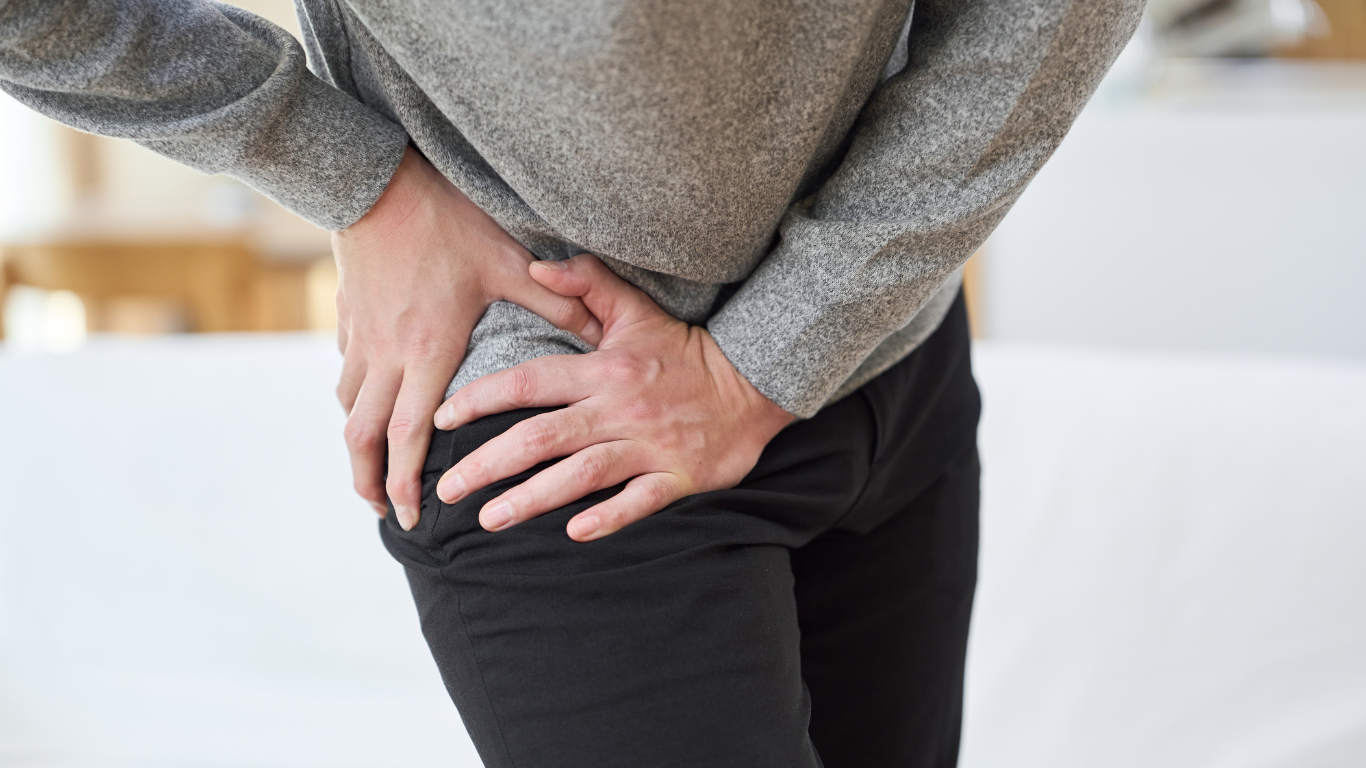
Hip pain has a way of quietly disrupting everyday life. At first, it may appear as a small ache when getting out of bed, walking upstairs, or turning in bed at night. Over time, that discomfort can grow into something harder to ignore, affecting how you move, sleep, and enjoy the activities that once felt effortless.
Many people assume hip pain always comes from the joint itself. In reality, the body is complex, and pain in the hip region can come from several different places. Muscles, tendons, bursae, and even the lower spine can create symptoms that feel almost identical. Understanding where the pain truly begins is the first step toward lasting relief.
For patients seeking clarity and expert guidance, specialists like Dr. Gerardo Mangino, an orthopedic surgeon focused on restoring mobility and reducing joint pain, help identify the real cause behind hip discomfort and guide patients toward the right treatment approach. His philosophy centers on compassionate, personalized orthopedic care that helps people return to active, pain-free lives.
Dr_Mangino_Creative_Brief
If you are dealing with persistent hip joint pain, learning how to recognize the true source of your discomfort can help you make better decisions about treatment, recovery, and long-term joint health.
Understanding Hip Joint Pain
The hip joint is one of the strongest and most important joints in the body. It supports your weight while standing, walking, and running, and allows the leg to move in several directions with stability and control.
The Structure of the Hip Joint
The hip functions as a ball-and-socket joint, where the rounded head of the femur fits into a cup-shaped socket in the pelvis called the acetabulum. This design allows a wide range of motion while keeping the joint stable enough to support the body’s weight.
The surfaces of these bones are covered with articular cartilage, a smooth tissue that helps the bones glide against each other without friction. Around the rim of the socket sits the labrum, a ring of fibrocartilage that deepens the socket and improves stability.
Several strong ligaments surround the hip to maintain alignment, while muscles such as the gluteals, hip flexors, and abductors control movement and absorb stress during activity. A thin membrane called the synovium produces lubricating fluid that nourishes the cartilage and keeps the joint moving smoothly.
Because so many structures work together in this area, pain can arise from multiple sources.
Why the Hip Is Vulnerable to Pain
The hip absorbs enormous forces during daily movement. Walking can place several times your body weight across the joint, and activities such as running or jumping increase that load even further.
Over time, repetitive stress, aging cartilage, injuries, and muscle imbalances can disrupt the way the hip distributes force. When this happens, certain tissues become irritated or damaged, leading to inflammation, stiffness, and pain.
Understanding whether discomfort is coming from the joint itself or from surrounding tissues is crucial for choosing the correct treatment.
Common Causes of Hip Joint Pain
Hip pain can originate from a variety of medical conditions. Some affect the joint directly, while others involve nearby soft tissues.
Osteoarthritis of the Hip
One of the most common sources of hip joint pain is osteoarthritis. This condition occurs when cartilage gradually wears away, allowing bone surfaces to rub together.
People with hip osteoarthritis often experience stiffness in the morning, groin pain while walking, and difficulty rotating the leg. The discomfort usually worsens with activity and improves with rest.
Risk factors include aging, prior injuries, genetic predisposition, and structural abnormalities in the hip joint.
Hip Bursitis
Bursae are small fluid-filled sacs that reduce friction between bones and soft tissues. When these sacs become inflamed, the condition is called bursitis.
Trochanteric bursitis, which occurs on the outer side of the hip, is a common cause of pain that worsens when lying on the affected side or climbing stairs. Unlike joint arthritis, this pain typically appears on the outside of the hip rather than deep in the groin.
Tendon Injuries and Muscle Strains
Athletes and physically active individuals frequently develop hip flexor strains, gluteal tendon injuries, or groin strains. These injuries occur when muscles or tendons are overstretched or overloaded.
Symptoms often include sharp pain during movement, tenderness, and reduced strength. Unlike arthritis, muscle-related pain tends to worsen with specific activities and improve with rest or stretching.
Labral Tears
The hip labrum plays a key role in stabilizing the joint. When it tears, people may feel deep groin pain, clicking sensations, or a feeling that the hip is catching or locking.
Labral tears can develop after sports injuries or from structural conditions like femoroacetabular impingement (FAI), where the bones of the hip do not move smoothly within the joint.
Hip Fractures
Hip fractures typically occur after falls, especially in older adults with osteoporosis. These injuries cause sudden severe pain, difficulty standing, and an inability to bear weight on the affected leg.
Because fractures can lead to serious complications, they require immediate medical evaluation and treatment.
When Hip Pain Actually Comes From the Spine
Not all pain felt in the hip originates from the hip joint itself. One of the most common diagnostic challenges in orthopedics is distinguishing hip pathology from lumbar-referred pain.
Lumbar Radiculopathy
Conditions affecting the lower spine can compress nerves that travel toward the hip and leg. This is known as lumbar radiculopathy.
A herniated disc, spinal stenosis, or degenerative disc disease may irritate nerves that supply sensation to the hip region. As a result, patients may feel pain in the hip even though the underlying problem is in the lower back.
Sciatic Nerve Irritation
The sciatic nerve travels from the lumbar spine through the buttock and down the leg. When compressed or inflamed, it can cause symptoms that mimic hip problems.
Sciatica often produces burning pain, tingling, numbness, or weakness that radiates down the leg. Unlike joint arthritis, nerve pain frequently worsens when sitting or bending forward.
Key Differences Between Hip and Spine Pain
Hip joint pain typically causes discomfort deep in the groin or front of the hip and becomes worse during activities such as walking or rotating the leg.
Lumbar-related pain, on the other hand, often begins in the lower back or buttock and travels down the thigh. It may also be accompanied by numbness, tingling, or shooting sensations along the leg.
Distinguishing between these conditions is essential because treatments differ significantly.
Symptoms That Suggest Hip Joint Disease
Certain symptoms are more strongly associated with problems inside the hip joint itself.
One of the most common signs is groin pain during weight-bearing activities such as walking, standing, or climbing stairs. This occurs because the hip joint directly supports body weight during these movements.
People with joint disease may also notice stiffness when getting out of a chair, limited range of motion, and difficulty rotating the leg inward or outward.
Another classic symptom is a gradual change in walking pattern. Patients may develop a limp or shortened stride because the body tries to reduce pressure on the painful joint.
Night pain and difficulty sleeping on the affected side can also occur, particularly in advanced arthritis.
How Doctors Identify the Source of Hip Pain
Diagnosing hip pain involves combining patient history, physical examination, and imaging tests.
Medical History and Symptom Patterns
The first step is understanding when the pain began and what activities trigger it. Doctors ask about injury history, lifestyle habits, and whether the pain radiates down the leg.
This information often provides the first clues about whether the source of discomfort lies in the hip joint, surrounding muscles, or the spine.
Physical Examination
During a physical exam, the physician evaluates how the hip moves and how the patient walks. Specific movements such as internal rotation, flexion, and abduction can reproduce pain that suggests joint involvement.
Tests like the FABER and FADIR maneuvers help identify labral tears, impingement, or arthritis.
The physician also evaluates the spine and performs neurological testing to detect signs of nerve compression.
Imaging Tests
Imaging studies help confirm the diagnosis.
X-rays are typically the first step and can reveal arthritis, fractures, and structural abnormalities. MRI scans provide more detailed images of soft tissues such as tendons, cartilage, and the labrum.
If doctors suspect the pain originates from the spine, they may recommend lumbar spine imaging or nerve tests to evaluate nerve function.
Treatment Options for Hip Joint Pain
Treatment depends on the underlying cause and the severity of symptoms.
Conservative Treatment
Many cases of hip pain improve with nonsurgical care. Rest, activity modification, and anti-inflammatory medications can reduce irritation and allow tissues to heal.
Physical therapy plays a critical role in restoring mobility and strengthening the muscles that support the hip. Exercises targeting the gluteus medius, hip flexors, and core muscles help stabilize the joint and reduce stress during movement.
Weight management and low-impact exercise, such as swimming or cycling, can also decrease joint load and improve long-term function.
Injection Therapies
For patients with persistent inflammation, corticosteroid injections into the hip joint or surrounding bursae can provide temporary relief.
These injections help reduce swelling and allow patients to participate more effectively in rehabilitation programs.
Surgical Options
When conservative treatments fail, surgery may be considered.
Minimally invasive hip arthroscopy can repair labral tears or correct structural impingement. In cases of severe arthritis, total hip replacement can restore mobility and significantly reduce pain.
Modern joint replacement techniques have excellent outcomes, allowing many patients to return to walking, travel, and recreational activities.
Preventing Future Hip Pain
Preventing hip problems often begins with protecting the joint from excessive strain.
Regular strength training and flexibility exercises help maintain muscle balance around the hip. Proper warm-ups before sports reduce the risk of muscle strains and tendon injuries.
Maintaining a healthy body weight reduces pressure on the hip joint and slows the progression of arthritis. Good footwear and balanced training routines can also protect the joint from repetitive stress injuries.
Early evaluation of persistent hip discomfort is one of the most effective ways to prevent minor problems from becoming chronic conditions.
Frequently Asked Questions
What is the most common cause of hip joint pain?
The most common cause is hip osteoarthritis, a degenerative condition where cartilage gradually wears down. This leads to stiffness, reduced mobility, and pain during weight-bearing activities like walking.
How can I tell if my hip pain is from the spine?
Pain caused by the spine often includes numbness, tingling, or shooting sensations that travel down the leg. Hip joint pain usually stays in the groin or front of the hip and worsens with hip movement.
When should I see a doctor for hip pain?
You should seek medical care if pain persists for more than a few weeks, limits your ability to walk, or appears after a fall or injury. Sudden severe pain or inability to bear weight requires immediate evaluation.
Can hip joint pain improve without surgery?
Yes. Many cases improve with physical therapy, medication, activity modification, and lifestyle changes. Surgery is usually considered only when conservative treatments no longer provide relief.
Moving Toward a Pain-Free Life
Living with hip joint pain can make everyday activities feel frustrating and limiting. Whether the discomfort comes from arthritis, muscle strain, or a spinal condition, the key to recovery is identifying the true source of the problem.
With expert evaluation and personalized care, patients can regain mobility and return to the activities they enjoy. Specialists like Dr. Gerardo Mangino focus on helping individuals understand their condition, explore the most effective treatments, and move forward with confidence.
If hip pain is interfering with your life, consider seeking a professional evaluation or a second opinion. Taking the first step toward the right diagnosis can lead to the relief, movement, and quality of life you deserve.
Schedule a consultation with Dr. Mangino today and start your journey toward stronger, pain-free movement.


