

.png)
.png)
.jpg)

A small ache in the front of the knee can change everything for someone who loves to stay active. What starts as a mild discomfort during a run or while climbing stairs can slowly turn into persistent pain that interrupts workouts, daily routines, and confidence in movement. Many people ignore it at first, assuming it will disappear on its own. But when the pain returns again and again, it often points to runner’s knee.
For runners, hikers, cyclists, and active adults, knee pain can feel frustrating and limiting. The knee is a complex joint that absorbs enormous force with every step, jump, and stride. When something disrupts its natural alignment or balance, the kneecap can begin to move in ways that irritate the joint, producing the discomfort commonly known as runner’s knee.
The good news is that most cases of runner’s knee are treatable and preventable with the right knowledge and care. Understanding the causes, symptoms, and recovery strategies can help people return to activity safely and avoid long-term joint problems.
At clinics like Dr. Gerardo Mangino’s orthopedic practice in Los Cabos, patients often arrive worried that knee pain means surgery. In many cases, expert evaluation, targeted rehabilitation, and personalized guidance are enough to restore movement and eliminate pain—helping patients get back to the activities they love.
What Is a Runner's Knee?
Runner’s knee is a common term used to describe pain at the front of the knee around or behind the kneecap. Medically, it is known as patellofemoral pain syndrome, a condition that develops when the kneecap does not move smoothly within the groove of the thigh bone.
Definition of Patellofemoral Pain Syndrome
Patellofemoral pain syndrome occurs when irritation develops between the patella (kneecap) and the femur (thigh bone). The kneecap normally glides within a groove at the end of the femur when the knee bends and straightens. If this motion becomes uneven or overloaded, pressure builds within the joint.
This pressure can irritate cartilage, ligaments, or surrounding soft tissues, producing the dull, aching pain characteristic of runner’s knee. The discomfort is often most noticeable during activities that involve repeated knee bending.
People frequently feel pain while running, squatting, kneeling, climbing stairs, or sitting for long periods with bent knees. The condition can develop gradually over time, especially when training intensity increases too quickly.
Anatomy of the Patellofemoral Joint
The patellofemoral joint is designed to handle significant stress during movement. The kneecap sits within a shallow groove on the femur called the trochlear groove, where it slides up and down as the knee bends.
Smooth cartilage covers both surfaces of the joint, allowing movement with minimal friction. The quadriceps muscles at the front of the thigh connect to the patella through the quadriceps tendon, while the patellar tendon anchors the kneecap to the shinbone.
This system acts like a pulley, improving the strength and efficiency of the quadriceps during movement. However, if muscles become weak, tight, or unbalanced, the kneecap may shift slightly out of alignment. Even small changes in tracking can increase pressure within the joint and cause irritation.
Who Is Most at Risk?
Although the name suggests it only affects runners, runner’s knee can occur in anyone who performs repetitive knee bending. Athletes involved in running, cycling, soccer, basketball, and hiking commonly experience the condition.
Adolescents and young adults are especially vulnerable, particularly during growth spurts when bones grow faster than muscles can adapt. Women also experience higher rates due to differences in hip structure and knee alignment.
People who suddenly increase their exercise intensity, switch training surfaces, or begin new workouts without proper conditioning often develop symptoms as well.
Symptoms of Runner’s Knee
Runner’s knee typically develops gradually, though some individuals notice symptoms after a particularly intense workout or long run.
Common Signs to Recognize
The most recognizable symptom is a dull ache in the front of the knee, usually around or behind the kneecap. This discomfort tends to worsen during activities that place pressure on the joint.
Pain often appears when running downhill, descending stairs, squatting, or kneeling. Sitting for long periods with the knees bent can also trigger pain, a symptom sometimes called the “theater sign.”
Some people report a grinding or popping sensation when bending the knee. Mild swelling may occur, although significant swelling is uncommon and may indicate another condition.
Weakness in the thigh or hip muscles may also contribute to poor knee control during movement, leading to the knee collapsing inward when walking or running.
When to Seek Medical Evaluation
Although runner’s knee is usually manageable with conservative treatment, certain symptoms warrant medical evaluation. Persistent pain lasting more than several weeks, worsening discomfort during daily activities, or visible swelling should be assessed by a healthcare professional.
An orthopedic specialist can evaluate knee alignment, muscle strength, and movement patterns to confirm the diagnosis and rule out other conditions such as ligament injuries or cartilage damage.
At Dr. Mangino’s orthopedic clinic, advanced diagnostic techniques and detailed physical examinations help identify the exact cause of knee pain and guide patients toward effective treatment strategies.
Causes of Runner’s Knee
Runner’s knee rarely has a single cause. Instead, it usually develops from a combination of biomechanical issues, muscle imbalances, and training habits that increase stress on the patellofemoral joint.
Biomechanical Factors
The way the body moves plays a major role in knee health. When the kneecap does not track properly in the femoral groove, pressure increases on one side of the joint.
One common problem is dynamic valgus, a movement pattern where the knee collapses inward during running or squatting. This position shifts the patella laterally and increases friction within the joint.
Tight structures along the outside of the thigh, such as the iliotibial band, can also pull the kneecap outward, altering its natural movement.
Muscle Weakness and Imbalance
Muscle strength and coordination are critical for proper knee function. Weak quadriceps muscles, particularly the vastus medialis oblique, can reduce the stabilizing force that keeps the kneecap centered.
Hip and glute muscles also influence knee alignment. When the gluteus medius is weak, the thigh may rotate inward during movement, increasing stress on the patellofemoral joint.
Tight hamstrings, calves, or quadriceps can further disrupt joint mechanics by limiting normal motion.
Foot Alignment and Overpronation
Foot posture can significantly affect the knee. Individuals with flat feet or excessive pronation often experience inward rotation of the lower leg during walking or running.
This rotation changes the angle at which the patella moves within the joint, increasing pressure and irritation.
Supportive footwear and orthotics can help correct alignment and reduce stress on the knee.
Training Errors and Overuse
Sudden increases in mileage, intensity, or frequency of workouts are among the most common triggers for runner’s knee.
The patellofemoral joint experiences significant load during running, particularly when training on hard surfaces or hills. Without adequate recovery, the joint may become irritated over time.
Fatigue also plays a role. As muscles tire, they lose the ability to control knee alignment effectively, increasing the risk of pain.
Diagnosis of Runner’s Knee
Diagnosing runner’s knee usually begins with a detailed medical history and physical examination.
Clinical Evaluation
A healthcare provider evaluates walking and running patterns, knee alignment, and muscle strength. Observing how the knee moves during squats or step-down exercises often reveals underlying biomechanical problems.
Palpation around the kneecap helps identify areas of tenderness. Range-of-motion tests assess flexibility and joint mobility.
Imaging Tests
Imaging studies are not always necessary, but they can help rule out other causes of knee pain.
X-rays may be used to examine bone alignment or detect arthritis. MRI scans provide detailed images of cartilage, ligaments, and other soft tissues when symptoms persist or worsen.
Treatment for Runner’s Knee
Most individuals recover from runner’s knee without surgery. Treatment focuses on reducing pain, correcting movement patterns, and strengthening supporting muscles.
Activity Modification
Reducing running volume and avoiding high-impact activities allows the joint to recover. Many athletes temporarily switch to low-impact exercises such as cycling or swimming to maintain fitness.
Short periods of rest combined with gradual return to activity can significantly reduce symptoms.
Physical Therapy and Rehabilitation
Targeted rehabilitation is one of the most effective treatments for runner’s knee.
Strengthening exercises for the quadriceps, glutes, and hip abductors improve knee stability and correct alignment. Physical therapists may also incorporate balance training and gait retraining to prevent recurrence.
Stretching tight muscles in the hamstrings, calves, and iliotibial band helps restore normal movement patterns.
Pain Management
Pain and inflammation can be managed with ice therapy, particularly after activity. Applying ice for about 15 to 20 minutes helps reduce swelling and discomfort.
Short-term use of anti-inflammatory medications may also provide relief, although they should be used under medical guidance.
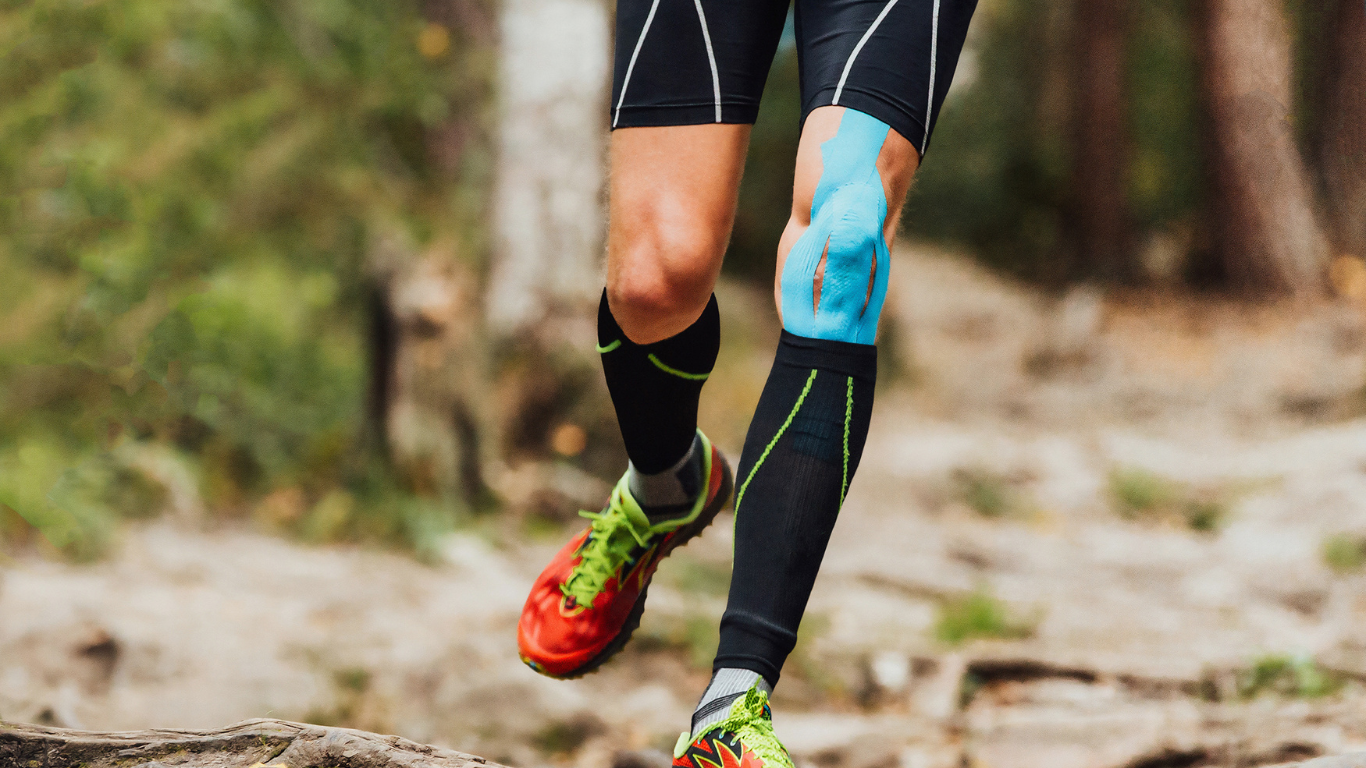
Supportive braces or taping techniques can help guide the kneecap into proper alignment during activity.
Surgical Treatment
Surgery is rarely required for runner’s knee, but it may be considered if structural abnormalities or severe cartilage damage are present.
Procedures may include arthroscopic techniques to remove damaged tissue or realign the kneecap. Rehabilitation after surgery focuses on restoring strength, mobility, and proper movement patterns.
Preventing Runner’s Knee
Preventing a runner's knee begins with balanced training and proper body mechanics.
Gradual increases in training intensity allow muscles and joints to adapt safely. Strengthening the hips and quadriceps supports healthy knee alignment during activity.
Proper footwear, regular stretching, and cross-training can also reduce repetitive stress on the knee.
Listening to the body and addressing minor pain early often prevents more serious injuries from developing.
Frequently Asked Questions
What causes runner’s knee pain?
Runner’s knee develops when the kneecap does not move properly within the groove of the thigh bone. Muscle weakness, overuse, poor alignment, and sudden increases in activity can all contribute to irritation within the joint.
How long does a runner's knee take to heal?
Recovery time varies depending on severity. Mild cases often improve within two to six weeks with rest and strengthening exercises. More persistent cases may take several months of rehabilitation.
Can I continue running with runner’s knee?
Some people can continue light running if pain is minimal, but reducing mileage and avoiding hills is usually recommended during recovery. Cross-training with low-impact activities helps maintain fitness without worsening symptoms.
Is cycling good for runner’s knee?
Cycling can be beneficial because it provides cardiovascular exercise with lower joint impact. Proper bike fit and moderate resistance help prevent excessive knee stress.
When should I see a doctor for a runner's knee?
Persistent pain lasting several weeks, swelling, instability, or difficulty performing daily activities should be evaluated by a medical professional to rule out other injuries.
Take Control of Knee Pain and Stay Active
Knee pain can feel discouraging, especially for people who value movement, exercise, and an active lifestyle. Yet runner’s knee is one of the most manageable knee conditions when addressed early. With the right balance of rest, strengthening, and proper training habits, most individuals can return to full activity without lasting damage.
For those experiencing persistent discomfort, professional evaluation is the safest next step. Dr. Gerardo Mangino, an internationally trained orthopedic specialist in Los Cabos, provides expert diagnosis and personalized care for patients with knee pain. His patient-centered approach focuses on restoring mobility, relieving pain, and helping people return to the active lives they enjoy.
If knee pain is interfering with your activities, consider scheduling a consultation or second opinion. With expert guidance and the right treatment plan, recovery is not only possible—it is often closer than you think.
Meta Title: Runner’s Knee Explained: Causes, Symptoms, and Treatment for Patellofemoral Pain
Meta Description: Learn what causes runner’s knee (patellofemoral pain syndrome), common symptoms, diagnosis, and effective treatments. Discover how expert care from Dr. Gerardo Mangino can help restore pain-free movement.


