

.png)
.png)
.jpg)

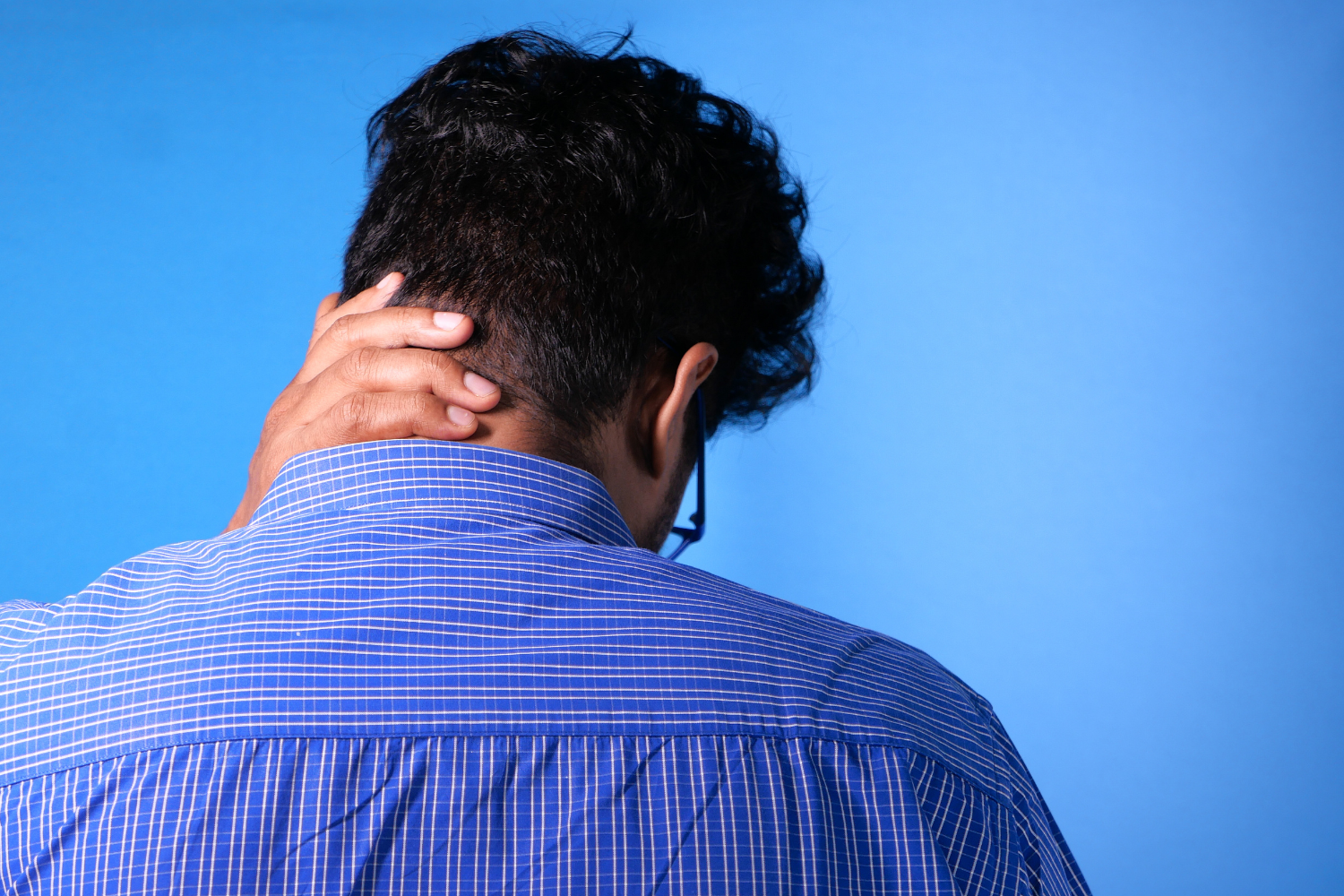
What if the source of your pain is not in your head at all. What if it begins in your neck? This is a reality many patients discover only after months or even years of misdiagnosis. A cervicogenic headache originates in the cervical spine, yet it presents as head pain, making it easy to overlook.
Patients who visit Dr Mangino often describe a long journey of confusion. They have been told it is stress, migraines, or tension. Yet the pain persists, sometimes worsening with certain movements or postures. The connection between the neck and the head is complex, but understanding it can be life changing.
If you have been struggling with chronic headaches and feel like you are not getting answers, this article will help you understand how cervical disc problems may be the hidden cause, and what you can do about it.
What Is a Cervicogenic Headache
A cervicogenic headache is a type of headache that originates from issues in the cervical spine, which includes the vertebrae, discs, and soft tissues of the neck. Unlike primary headaches such as migraines, this type is considered secondary because it is caused by an underlying structural problem.
How It Differs From Other Headaches
Cervicogenic headaches are often mistaken for migraines or tension headaches. However, there are key differences. The pain usually starts in the neck and radiates to one side of the head. It may also extend to the forehead, temples, or around the eyes.
Another distinguishing feature is that the pain is often triggered or worsened by neck movement or sustained postures. For example, sitting at a desk for long hours or looking down at a phone can intensify symptoms.
Why It Is Often Misdiagnosed
Because the pain is felt in the head, many people assume the issue is neurological or stress related. Without proper evaluation, the cervical spine is rarely examined as the root cause. This leads to delayed treatment and prolonged discomfort.
The Role of Cervical Discs in Head Pain
The cervical spine is made up of vertebrae separated by discs that act as cushions. These discs allow flexibility and absorb shock. When they become damaged or degenerate, they can irritate nearby nerves and structures.
What Happens When a Disc Is Damaged
A cervical disc can bulge, herniate, or degenerate over time. When this happens, it can compress nerves or cause inflammation in the surrounding tissues. This irritation can travel along nerve pathways, leading to pain that is perceived in the head.
Nerve Pathways and Referred Pain
The upper cervical nerves, particularly those in the C1 to C3 region, are closely connected to the trigeminal nerve, which is responsible for sensation in the face and head. This connection explains why a problem in the neck can result in head pain.
This phenomenon is known as referred pain. The brain interprets the signals as coming from the head, even though the source is in the neck.
Common Causes of Cervical Disc Problems
Understanding what leads to cervical disc issues can help you identify risk factors and take preventive measures.
Degenerative Disc Disease
As we age, the discs in our spine naturally lose hydration and elasticity. This process can lead to degeneration, making the discs more prone to damage and less effective at cushioning the vertebrae.
Poor Posture and Modern Lifestyles
Spending long hours hunched over computers or looking down at smartphones places significant strain on the cervical spine. Over time, this can lead to disc problems and chronic neck pain.
Trauma and Injury
Whiplash injuries from car accidents or sports can damage cervical discs. Even minor trauma can have long lasting effects if not properly treated.
Repetitive Strain
Jobs or activities that require repetitive neck movements can gradually wear down the discs. This includes certain manual labor tasks as well as prolonged desk work.
Symptoms That Suggest a Cervical Origin
Recognizing the signs of a cervicogenic headache is essential for proper diagnosis and treatment.
Pain Patterns
The pain is typically one sided and starts at the base of the skull. It can radiate to the forehead, temples, or behind the eyes. Unlike migraines, it usually does not switch sides.
Neck Stiffness and Reduced Mobility
Many patients experience stiffness in the neck and difficulty turning their head. This limitation in movement is a key indicator that the cervical spine is involved.
Pain Triggered by Movement
Activities such as looking up, turning the head, or maintaining a fixed posture can worsen the headache. This mechanical trigger is a hallmark of cervicogenic pain.
Associated Symptoms
Some individuals may also experience shoulder pain, arm discomfort, or a sensation of pressure behind the eyes. While nausea is less common than in migraines, it can still occur in some cases.
Diagnosis, Finding the True Source
Accurate diagnosis is crucial to treating a cervicogenic headache effectively.
Clinical Evaluation
A thorough physical examination is the first step. This includes assessing neck mobility, identifying tender points, and evaluating how movement affects pain.
Imaging Studies
MRI or CT scans can reveal structural issues such as disc herniation or degeneration. These imaging tools help confirm the presence of cervical spine abnormalities.
Diagnostic Blocks
In some cases, doctors may use nerve blocks to determine the exact source of pain. If the headache improves after numbing a specific nerve, it confirms the cervical origin.
Treatment Options That Address the Root Cause
Treating a cervicogenic headache requires addressing the underlying cervical disc problem rather than just masking the symptoms.
Conservative Treatments
Physical therapy is often the first line of treatment. It focuses on improving posture, strengthening neck muscles, and increasing flexibility.
Manual therapy techniques, including chiropractic adjustments or osteopathic manipulation, can also help relieve pressure on the cervical spine.
Medications such as anti inflammatory drugs may provide temporary relief, but they do not address the root cause.
Interventional Procedures
For more severe cases, procedures such as cervical epidural steroid injections or nerve blocks may be recommended. These treatments reduce inflammation and interrupt pain signals.
Surgical Options
Surgery is typically considered only when conservative treatments fail. Procedures may involve removing or repairing the damaged disc to relieve nerve compression.
Lifestyle Changes That Make a Difference
Small changes in daily habits can have a significant impact on reducing symptoms and preventing recurrence.
Improving Posture
Maintaining proper alignment while sitting and standing reduces strain on the cervical spine. Ergonomic adjustments to your workspace can make a big difference.
Staying Active
Regular exercise helps keep the spine flexible and strong. Activities such as yoga or swimming are particularly beneficial for neck health.
Managing Stress
Stress can lead to muscle tension, which may exacerbate neck pain and headaches. Techniques such as mindfulness and relaxation exercises can help.
When to Seek Professional Help
If your headaches are persistent, worsening, or accompanied by neck pain, it is important to seek medical evaluation. Early intervention can prevent the condition from becoming chronic.
Patients who consult Dr Mangino often find clarity after months of uncertainty. Identifying the true source of the pain allows for targeted treatment and lasting relief.
FAQ Section
What is the main cause of a cervicogenic headache
A cervicogenic headache is primarily caused by issues in the cervical spine, such as disc herniation, degeneration, or joint dysfunction. These problems irritate nerves that refer pain to the head.
How can I tell if my headache is coming from my neck
If your headache starts in the neck, worsens with movement, and is accompanied by stiffness or limited mobility, it may have a cervical origin.
Can cervicogenic headaches go away on their own
Some mild cases may improve with rest and posture correction. However, persistent symptoms usually require targeted treatment to address the underlying issue.
What is the best treatment for cervicogenic headache
The most effective treatment focuses on the root cause. This may include physical therapy, manual therapy, or interventional procedures depending on the severity.
A Path to Lasting Relief Starts Here
Living with chronic headaches can feel overwhelming, especially when the cause remains unclear. But understanding the connection between your neck and your pain opens the door to real solutions.
Dr Mangino has helped many patients uncover the true source of their headaches and regain control of their lives. With the right diagnosis and a personalized treatment plan, relief is not just possible, it is achievable.
If you are tired of temporary fixes and ready to address the root cause, now is the time to take the next step. Your path to lasting relief can begin today.


