

.png)
.png)
.jpg)

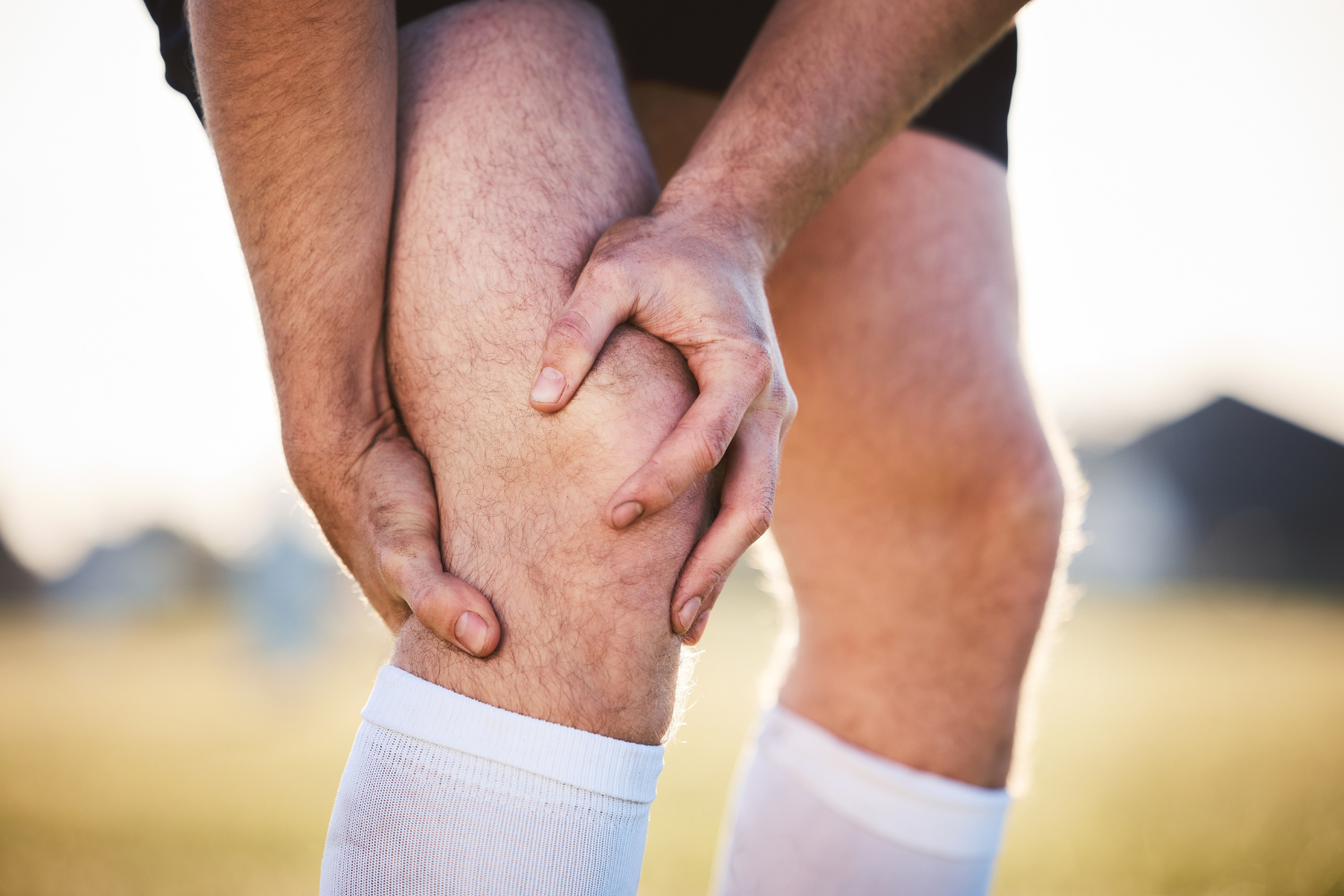
Pain behind the knee can be surprisingly disruptive. What begins as a mild ache after exercise can make walking, climbing stairs, bending the leg, or getting comfortable at night increasingly difficult. When discomfort persists, it is natural to wonder whether it is simply muscle soreness or a sign of something that needs medical attention.
The area behind the knee contains muscles, tendons, ligaments, nerves, blood vessels, and the structures of the knee joint itself. Because so many tissues meet in this relatively small space, pain behind the knee can have several different causes. Identifying the source is important because treatment for a tendon problem may be very different from treatment for a meniscus injury or arthritis.
Some causes are relatively minor and improve with rest and appropriate care. Others may require evaluation by an orthopedic specialist, particularly when pain persists, swelling develops, movement becomes difficult, or symptoms interfere with daily activities.
If you are dealing with ongoing pain behind the knee, Dr. Mangino can help determine what may be causing your symptoms and whether further evaluation or treatment is appropriate. Understanding the possible causes is the first step toward getting the right care.
What Can Cause Pain Behind the Knee?
Posterior knee pain, meaning pain located at the back of the knee, can develop from problems affecting the joint, muscles, tendons, or soft tissues surrounding the knee.
The location, severity, duration, and pattern of your symptoms can provide important clues. Pain that appears after exercise may have a different cause from pain associated with swelling, locking, or an injury.
Common causes include a Baker's cyst, tendon irritation, meniscus injuries, osteoarthritis, muscle strains, and other knee conditions.
Baker's Cyst and Pain Behind the Knee
One of the most recognizable causes of pain or pressure behind the knee is a Baker's cyst, also called a popliteal cyst.
A Baker's cyst is a fluid filled swelling that develops in the space behind the knee. It often occurs when another knee problem causes excess joint fluid, including osteoarthritis or a meniscus injury.
What Does a Baker's Cyst Feel Like?
A Baker's cyst may cause a feeling of fullness, pressure, tightness, or aching behind the knee. Some people notice a soft lump or swelling, particularly when the knee is fully extended.
The discomfort may become more noticeable after activity or when the knee is straightened. Some Baker's cysts cause few symptoms and may be discovered incidentally during an examination or imaging study.
Why Does a Baker's Cyst Develop?
A Baker's cyst is usually a symptom of an underlying problem rather than a condition occurring completely on its own. Arthritis, cartilage damage, or a meniscus injury can cause the knee to produce excess fluid, which may collect in the space behind the joint.
For this reason, treating the underlying knee condition is often an important part of managing the cyst.
Tendon Problems Behind the Knee
Several tendons connect muscles to the bones around the knee. Overuse, repetitive activity, sudden increases in exercise, or injury can irritate these tissues and cause posterior knee pain.
Hamstring Tendon Problems
The hamstring muscles run along the back of the thigh and connect around the knee. Irritation or injury involving the hamstring tendons can cause pain toward the back of the knee, particularly during activities that require running, jumping, bending, or forceful leg movement.
Pain may be worse when stretching the hamstring or contracting it against resistance.
Calf Muscle and Tendon Problems
The upper calf muscles attach near the back of the knee. A strain or irritation in this region can cause pain behind the knee that may extend downward into the calf.
Sudden acceleration, jumping, running, or another forceful movement can sometimes lead to a calf strain. Symptoms may include tenderness, pain during movement, and localized swelling.
Tendonitis and Overuse
Repetitive activity can place stress on tendons over time. Tendon irritation may develop gradually, particularly when training intensity changes quickly or the body does not have enough time to recover.
Reducing aggravating activities and using an appropriate rehabilitation program may help, but persistent pain should be evaluated if it does not improve.
Meniscus Injuries and Posterior Knee Pain
The menisci are two pieces of cartilage inside each knee joint that help distribute forces and provide stability. A meniscus can become injured during a twisting movement, sports activity, or another traumatic event. Degenerative changes can also make the meniscus more vulnerable to injury with age.
A meniscus injury does not always cause pain directly behind the knee, but certain tears can produce discomfort that is felt toward the back of the joint.
Symptoms of a Meniscus Injury
In addition to knee pain, a meniscus injury may cause swelling, stiffness, clicking, catching, or a sensation that the knee is locking. Some people notice difficulty fully bending or straightening the knee.
If pain behind the knee begins after twisting or pivoting the leg, particularly when accompanied by swelling or mechanical symptoms, an orthopedic evaluation may be appropriate.
Arthritis and Degenerative Knee Changes
As the knee ages, the cartilage that covers the ends of the bones can gradually become thinner. This process can contribute to knee osteoarthritis, which may cause pain, stiffness, swelling, and reduced mobility.
Although arthritis pain is often felt at the front or sides of the knee, some people experience discomfort toward the back of the joint.
How Degenerative Changes Affect the Knee
Knee arthritis can change how the joint moves and distributes pressure. The surrounding muscles and soft tissues may have to work differently to support the joint, potentially contributing to discomfort.
Pain may become more noticeable after prolonged activity, standing, walking, or climbing stairs. Morning stiffness or stiffness after sitting for a long time can also occur.
When arthritis progresses, everyday activities can become increasingly difficult. An orthopedic specialist can help determine whether symptoms are related to degenerative changes and discuss appropriate treatment options.
Muscle Strains Can Cause Pain Behind the Knee
A sudden increase in physical activity can strain the muscles or tendons surrounding the back of the knee. Running, jumping, squatting, or other demanding movements may trigger an injury.
A muscle strain often causes localized tenderness and pain during specific movements. Depending on the severity, swelling or bruising may also occur.
Mild strains may improve with appropriate rest and gradual rehabilitation. However, significant pain, extensive swelling, difficulty bearing weight, or symptoms that do not improve should be evaluated.
Less Common but Important Causes of Pain Behind the Knee
Not every case of posterior knee pain comes from the knee joint itself. Conditions affecting nearby nerves, blood vessels, or other tissues can sometimes produce discomfort in this area.
Nerve Related Symptoms
Irritation of a nerve in the lower back or leg can cause pain that travels toward or through the knee. Nerve related pain may be accompanied by burning, tingling, numbness, or weakness.
When these symptoms are present, the source of pain may not be inside the knee. A comprehensive evaluation can help determine whether the spine, hip, or another structure is contributing to the symptoms.
Blood Clot Concerns
A blood clot in a deep vein, known as deep vein thrombosis, can sometimes cause leg pain and swelling. Although it is not a typical orthopedic cause of pain behind the knee, it is important to recognize because it can be serious.
Sudden swelling, warmth, redness, or significant tenderness in the leg, particularly when accompanied by shortness of breath or chest pain, requires urgent medical attention.
How Is Pain Behind the Knee Diagnosed?
Finding the cause of posterior knee pain begins with a medical history and physical examination.
Your healthcare provider may ask when the pain started, whether it followed an injury, what activities make it worse, and whether you have swelling, clicking, locking, instability, numbness, or weakness.
During an examination, the knee may be assessed for tenderness, swelling, range of motion, stability, and strength. Specific movements can help identify whether the pain is more likely to originate from a tendon, meniscus, joint, or surrounding tissue.
Imaging Tests
Imaging may be recommended when the diagnosis is unclear, symptoms persist, or a significant injury is suspected.
X rays can help identify arthritis, bone abnormalities, fractures, and other changes affecting the knee joint. They do not show the meniscus or most tendons in detail.
An MRI can provide detailed images of soft tissues, including the menisci, ligaments, tendons, cartilage, and other structures around the knee. MRI may be particularly useful when a meniscus tear or another soft tissue problem is suspected.
Ultrasound may also be useful in certain situations, particularly when evaluating a Baker's cyst or some superficial soft tissue conditions.
Treatment for Pain Behind the Knee
Treatment depends on the underlying cause. There is no single treatment that works for every type of posterior knee pain.
Conservative Care
For many less severe conditions, initial treatment may involve modifying activities that aggravate symptoms while maintaining appropriate movement. Physical therapy can help restore strength, flexibility, balance, and knee function.
Depending on the cause, a healthcare professional may also recommend medications to manage pain and inflammation. Ice or other supportive measures may provide short term relief for certain injuries.
The goal is not simply to mask pain. A good treatment plan should address the underlying cause and help restore normal function.
Physical Therapy
Physical therapy can be an important part of recovery from tendon problems, muscle strains, degenerative knee conditions, and some meniscus related symptoms.
A personalized program may strengthen the muscles around the knee and hip, improve flexibility, and help the knee tolerate everyday activities more effectively.
The exercises should be appropriate for the specific condition. Continuing an activity that repeatedly aggravates an injury can delay recovery.
Injections and Other Treatments
In selected patients, an orthopedic specialist may consider an injection to help manage inflammation or pain. The appropriate type depends on the underlying diagnosis and individual circumstances.
For example, treatment for a Baker's cyst may focus on the underlying knee inflammation rather than simply addressing the cyst itself.
When Should You See an Orthopedic Specialist?
Not every episode of knee pain requires specialist care. However, persistent or worsening pain behind the knee deserves attention, particularly when it affects your ability to walk, exercise, sleep, work, or perform normal daily activities.
An orthopedic evaluation may be appropriate if symptoms continue despite initial conservative care, if pain repeatedly returns, or if you experience swelling, locking, catching, instability, or difficulty moving the knee.
You should also consider evaluation after an injury that causes significant pain, swelling, difficulty bearing weight, or an inability to fully move the knee.
Symptoms That Should Not Be Ignored
Some symptoms require more urgent medical attention. Sudden severe swelling, inability to bear weight, major deformity, or rapidly worsening symptoms should be assessed promptly.
If leg swelling occurs with warmth or redness, particularly when it develops suddenly, medical evaluation is important because causes outside the knee, including a blood clot, may need to be ruled out.
Can Pain Behind the Knee Go Away on Its Own?
Some mild cases can improve with appropriate rest and gradual return to activity. A minor muscle strain or temporary irritation may resolve as the affected tissue recovers.
However, persistent pain should not be ignored simply because the symptoms are tolerable. Continuing to exercise through unexplained pain can sometimes prolong an injury or allow an underlying condition to worsen.
The duration of your symptoms matters. If pain continues, repeatedly returns, or begins affecting your daily activities, an orthopedic evaluation can help identify the cause and determine what treatment may be appropriate.
Frequently Asked Questions About Pain Behind the Knee
What is the most common cause of pain behind the knee?
There is no single cause of posterior knee pain. Common causes include Baker's cysts, tendon irritation, muscle strains, meniscus injuries, and degenerative changes such as osteoarthritis. The most likely cause depends on your age, activity level, symptoms, and whether an injury occurred.
Can a Baker's cyst cause pain behind the knee?
Yes. A Baker's cyst can cause pressure, tightness, swelling, or aching behind the knee. It often develops because another knee problem, such as arthritis or a meniscus injury, causes excess joint fluid.
Can a meniscus tear cause pain behind the knee?
Yes, certain meniscus injuries can cause discomfort toward the back of the knee. Meniscus tears may also cause swelling, clicking, catching, or locking. An orthopedic examination and, when appropriate, MRI can help evaluate the injury.
When should I see an orthopedic specialist for pain behind my knee?
You should consider an orthopedic evaluation when pain persists, worsens, repeatedly returns, or interferes with normal activities. Evaluation is especially important when pain is accompanied by swelling, locking, instability, significant weakness, or difficulty bearing weight.
Is pain behind the knee always caused by a knee problem?
No. Pain in this area can sometimes originate from nearby muscles, tendons, nerves, or blood vessels. Symptoms such as numbness, tingling, significant leg swelling, warmth, or redness may indicate a condition that requires a different type of medical evaluation.
Choosing the Right Treatment with Dr. Mangino
Living with unexplained pain behind the knee can be frustrating, especially when discomfort begins limiting the activities you enjoy. While some causes are temporary and improve with appropriate care, persistent pain may be your body's signal that an underlying problem needs attention.
Finding the cause is the key to choosing the right treatment. Whether your symptoms are related to a Baker's cyst, tendon irritation, a meniscus injury, arthritis, or another condition, an accurate diagnosis can help you move forward with greater confidence.
Dr. Mangino can help evaluate persistent posterior knee pain and determine whether orthopedic treatment may be appropriate for you. If your knee pain is interfering with movement, exercise, work, or everyday life, scheduling an evaluation can be an important step toward understanding the problem and getting back to the activities that matter to you.
Do not let persistent knee pain become your new normal. Take the next step with Dr. Mangino and get the guidance you need to move forward


